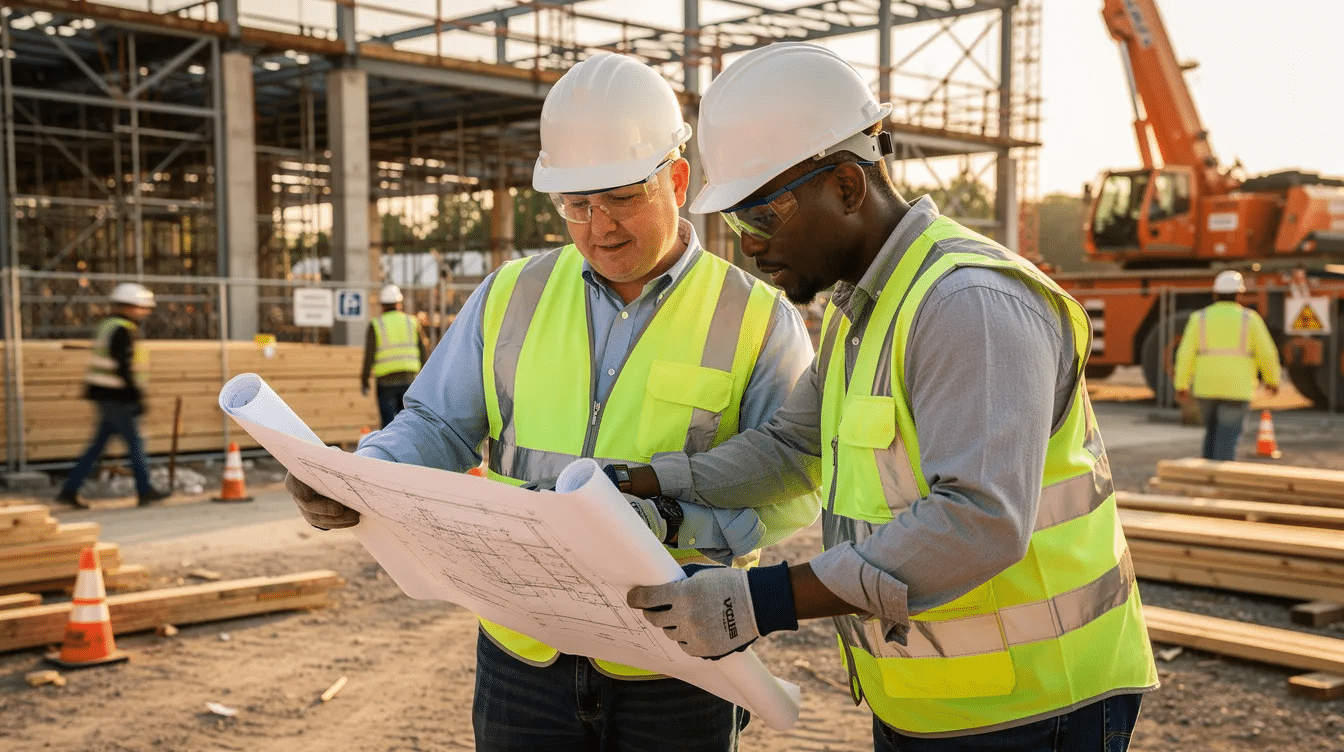
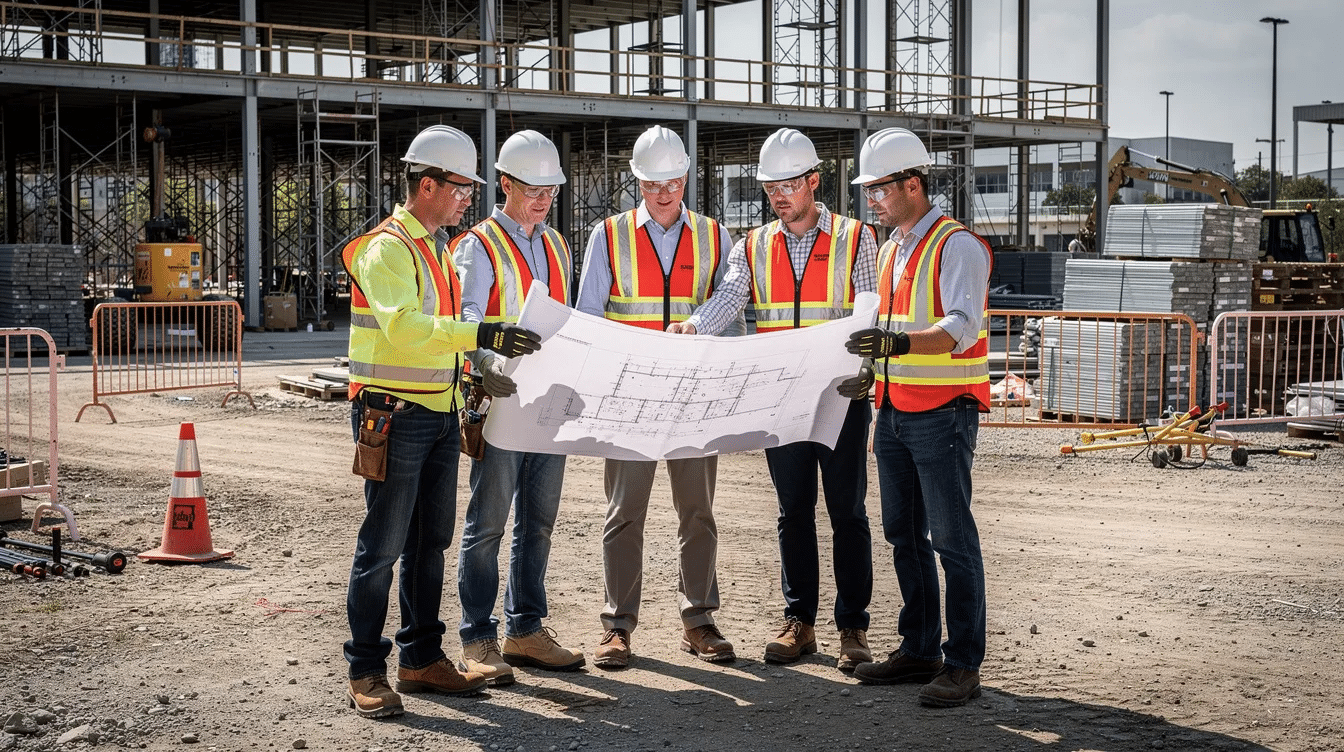
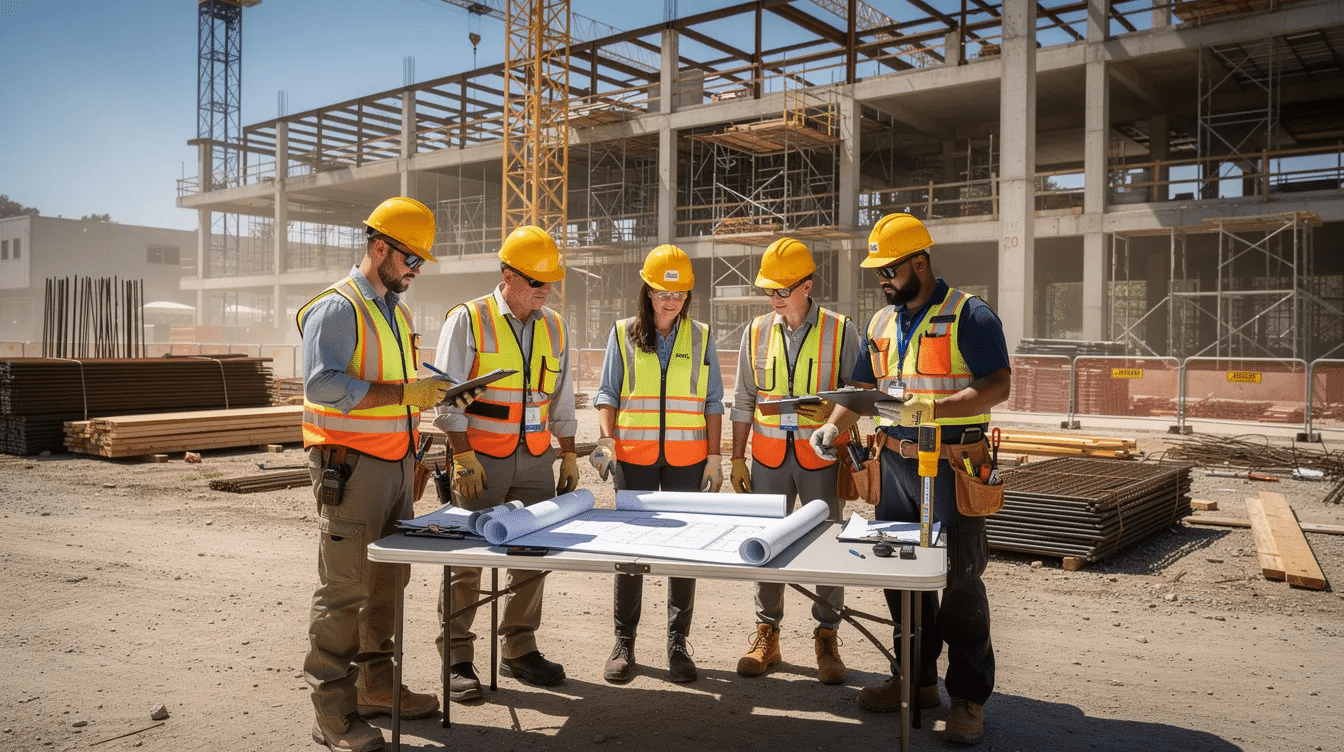
A jobsite culture audit is a structured look at what your field leaders actually do, reward, correct, and ignore on an active construction site. It is not a compliance check or a paperwork review. It is a diagnostic that helps determine whether your organization’s day-to-day behavior matches its stated values or whether the real culture on the ground tells a different story.
That matters on commercial and industrial projects across Cincinnati, Dayton, Springfield, Lima, Northern Kentucky, and Southeastern Indiana. Schedule pressure, subcontractor complexity, and workforce turnover test leadership every shift. In that environment, culture shows up in field decisions: how a foreman handles a missing guardrail, how a superintendent responds to a worker’s concern, or how crews react to a last-minute scope change. According to the U.S. Bureau of Labor Statistics, the construction industry recorded 1,034 fatal work injuries in 2024, and 389 of those deaths resulted from falls, slips, and trips. Those numbers remind us that what happens between the toolbox talk and quitting time matters.
Culture auditing is not new. In its October 16, 2026, article Why Culture at Your Construction Company Might Need an Audit, Construction Executive argued that culture deserves the same kind of deliberate scrutiny leaders already give financial performance, staffing, and risk. For Ohio Valley contractors, the jobsite is where that scrutiny becomes practical.
What follows is a practical framework project executives, superintendents, and safety leaders can pilot on one active project without slowing the work.
What Is a Jobsite Culture Audit in Construction?
A jobsite culture audit examines how people actually experience a construction site day to day. It looks at leadership behavior, communication, accountability, trust, and whether crews believe they can raise concerns without being ignored or punished. In other words, it measures the social operating system behind production and safety.
That is different from a safety inspection, which checks conditions and compliance against specific requirements. It is also different from a broad office-level culture review focused on HR policies or employee surveys. A jobsite culture audit stays close to the field:
- How do leaders handle pre-task planning when the schedule tightens?
- What happens when a change order creates a new hazard?
- Do crews follow through on yesterday’s corrective action, or does the paperwork get filed and forgotten?
The goal is not to assign blame. It is to understand how craft workers, foremen, and superintendents experience the project so leaders can close the gap between policy and practice.
What a Jobsite Culture Audit Reveals About Foreman and Superintendent Leadership
Foremen and superintendents are the clearest signal of a contractor’s real jobsite culture. Crews take their cues from those leaders far more than from posters, manuals, or office speeches.
A jobsite culture audit highlights what field leaders actually reward, what they correct, and what they silently tolerate. Consider two common scenarios. A crew removes a guardrail to speed up a task. Does the foreman stop the work and restore protection, or look the other way because the schedule is tight? An electrician identifies an unexpected energized condition. Does the superintendent back the stop-work call, or pressure the crew to keep moving?
Those responses shape more than one moment. They teach crews what really matters on that site. If leaders participate in pre-task planning, wear the same PPE they require, and take concerns seriously, crews notice. If leaders treat JSAs as paperwork or ignore repeated shortcuts, crews notice that too.
This is where a culture audit becomes useful. It surfaces patterns executives may not see from the office and helps determine whether the tone set by foremen, general foremen, and superintendents matches what company leadership believes is happening.
Jobsite Signals: Is Your Culture Stronger or Weaker Than You Think?
Culture usually shows up in small, repeatable behaviors long before it appears in an OSHA citation, incident investigation, or client complaint. On active construction projects, the following signals often tell leaders whether the culture is stronger or weaker than they think.
Near-miss reporting volume and quality. If workers regularly report close calls and unsafe conditions, that often signals they believe speaking up is worth it. If the log stays empty on a busy project, silence may mask risk rather than prove the site is problem-free.
Stop-work authority in practice. Most contractors say workers can stop unsafe work. A culture audit tests whether that authority is actually used and respected in the field.
Toolbox talk participation. Is the conversation interactive and tied to the work in front of the crew, or is it a quick formality read from a sheet? Engagement levels can reveal whether communication is real or staged.
Follow-through on corrective actions. After an observation, near-miss, or incident, does the fix hold? Or does the same issue reappear next week under a different foreman or shift?
Compliance theater versus genuine engagement. A site can have clean sign-in sheets and organized binders while still normalizing shortcuts. Genuine engagement looks different: workers raise issues unprompted, leaders adjust plans when conditions change, and lessons learned get applied instead of filed away.
Imagine an industrial project along the I-75 corridor. Leadership believes the site is performing well because the safety manual is current and incident rates are low. A short culture audit shows that crews routinely skip protection on brief elevated tasks because the foreman treats those tasks as low consequence. That is exactly the kind of hidden norm a culture audit is designed to uncover.
How to Run a Practical Jobsite Culture Audit on an Active Project
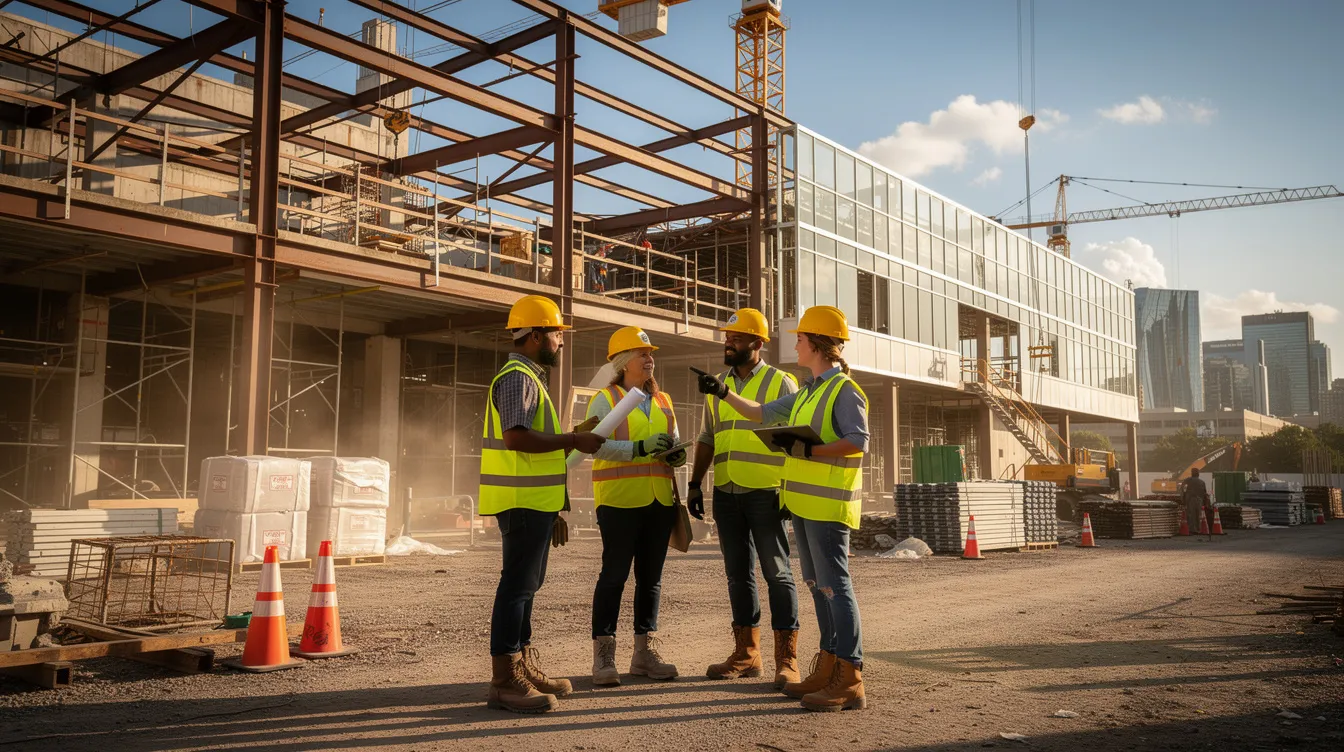
A jobsite culture audit doesn’t require a shutdown, an outside consultant, or months of preparation. Most contractors can pilot one on a single active project over a short observation period.
Define the scope. Start with a narrow question. Are you evaluating safety leadership, crew accountability, communication during changes, or whether stop-work authority is being respected? A focused scope produces more useful findings than trying to evaluate everything at once.
Schedule structured observation. Watch pre-task meetings, shift transitions, high-hazard work, and moments when plans change. Pay attention to how leaders communicate expectations and how crews respond under normal production pressure.
Hold short confidential conversations. Speak separately with craft workers, foremen, and superintendents. Ask specific questions, not general ones. For example:
- When was the last time a supervisor corrected a minor unsafe act? What happened?
- If you raised a safety concern today, how do you think your superintendent would respond?
- Have you ever used stop-work authority on this project?
- Which safety practices are most likely to slip when the schedule tightens?
- How do you bring new workers or apprentices up to speed on current site hazards?
Review a small sample of project documents. Compare what the paperwork says with what the field reflects. That might include JSAs, daily reports, near-miss logs, and the emergency action plan. Under OSHA’s construction standard at 29 CFR 1926.35, emergency action plans generally must be in writing and available for employee review, although employers with 10 or fewer employees may communicate the plan orally. OSHA also notes in its emergency-preparedness guidance that construction-site emergency action plans may need modification as worksite conditions change. A culture audit can reveal whether the plan is being treated as a living field tool or a startup document that no longer reflects the site.
Debrief the project team. Share patterns, not personalities. The point is to identify recurring leadership behaviors, communication gaps, or blind spots that can be corrected before they harden into normal practice.
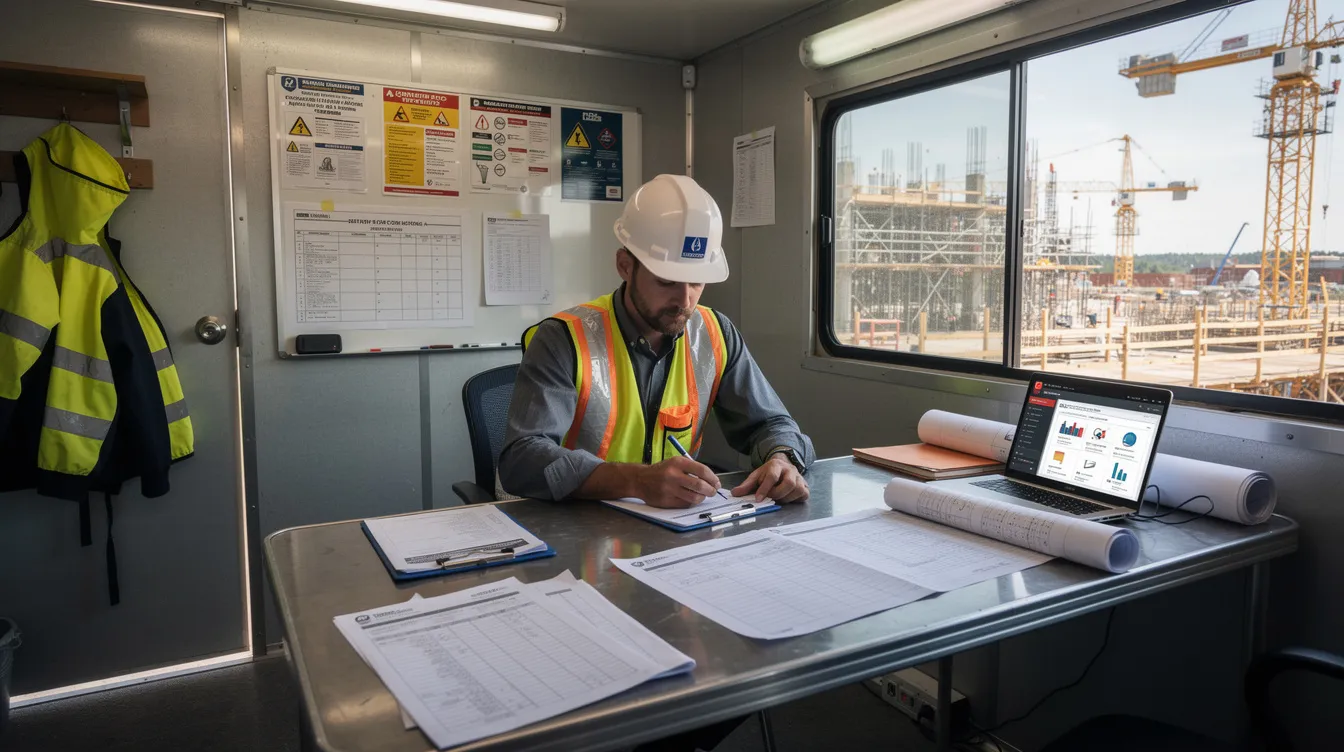
Key Culture Dimensions to Examine on the Jobsite
An effective jobsite culture audit focuses on a small set of high-impact dimensions instead of trying to catalog every possible issue.
Safety leadership and stop-work respect. Do leaders treat stop-work as a legitimate safety tool or as an inconvenience? Do foremen start safety conversations themselves, or leave everything to the safety manager?
Communication up and down the chain. Do workers know who to talk to when conditions change? Are instructions clear before high-risk work begins? Many culture problems start as communication failures, not policy failures.
Accountability. Are standards enforced consistently across crews and foremen? Are field leaders themselves held accountable for the tone they set?
Treatment of new workers and apprentices. How are new hires integrated into the job? Are they mentored and oriented to current conditions, or expected to figure things out on their own?
Response to change. Design revisions, compressed schedules, owner requests, and unexpected site conditions reveal culture quickly. A disciplined response suggests a healthy culture. A chaotic one may show that the project relies too heavily on improvisation and silence.
Connecting Jobsite Culture Audits to Safety Performance and Compliance
A culture audit is not a substitute for inspections, training, or OSHA compliance. It helps you understand whether everyday jobsite behavior reinforces or weakens those systems.
That matters because rules do not enforce themselves. A contractor can have written procedures, current forms, and formal training while still tolerating shortcuts when the pressure rises. A culture audit helps leaders test whether the organization’s safety expectations carry into real field decisions.
Findings from a jobsite culture audit can point to practical improvements such as:
- Reworking toolbox talks so they focus on current site conditions rather than generic topics
- Coaching foremen on how to respond to near-misses and worker concerns
- Clarifying stop-work expectations across crews and subcontractors
- Refreshing emergency planning and communication as site conditions evolve
ABC Ohio Valley’s training and safety support can help member contractors connect those findings to stronger field practices. The chapter describes safety, training, and audits among the resources it offers members, alongside STEP and other safety services.
From Findings to Action: Coaching, Training, and Leadership Development
A jobsite culture audit only has value if leaders act on what it reveals. Filing the results away creates the same outcome as not auditing at all.
Start with a short project-level summary: the site’s strengths, the top behavior-based risks, and the one or two changes expected from field leadership right away. Keep it practical enough that a superintendent can review it quickly and discuss it with foremen the same day.
Then move to coaching. A foreman who skips pre-task planning needs direct coaching on that habit. A superintendent who undercuts stop-work authority needs correction on that behavior. The point is to tie findings to observable actions, not vague cultural language.
Follow-up matters just as much as the initial audit. Revisit the same project phase later or test the same questions on another project along the I-70 or I-75 corridors. If the same issues appear repeatedly, the problem is probably organizational rather than project-specific.
Why Jobsite Culture Audits Matter for Retention and Crew Trust
Jobsite culture affects more than safety outcomes. It also influences whether skilled workers trust leadership, stay engaged, and want to keep working for the company.
Crews notice whether supervisors listen, whether expectations stay consistent, and whether they take concerns seriously. When workers believe leadership only wants production and paperwork, reporting drops and trust erodes. When leaders ask honest questions, listen, and visibly act on what they hear, crews are more likely to stay engaged and raise problems earlier.
That is especially important in a tight labor market. On a project in Springfield, Dayton, or Northern Kentucky, a foreman who dismisses concerns may not just increase safety risk. That behavior can also push good workers out. A jobsite culture audit gives contractors a structured way to catch that pattern before it becomes turnover, weaker morale, or poorer field communication.
How to Start a Jobsite Culture Audit This Month
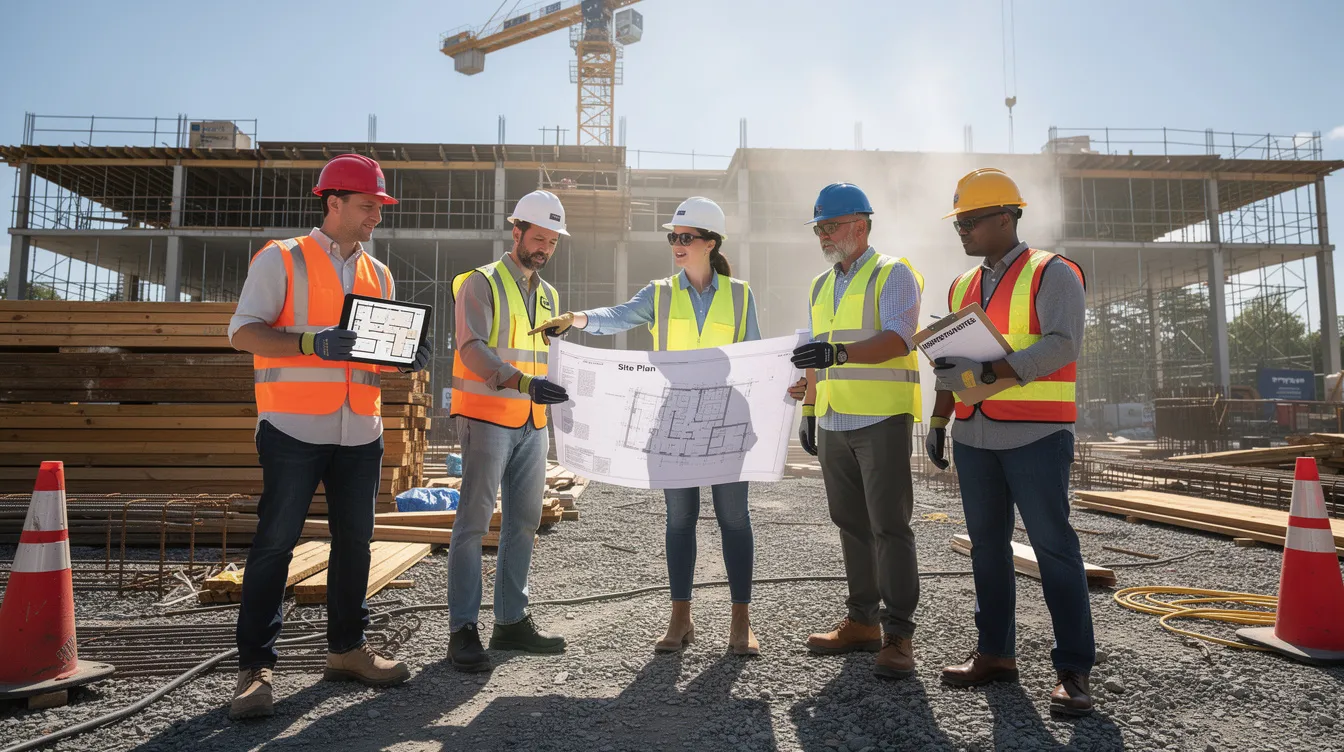
If you want to test this on a real project, start small. Choose one active commercial or industrial job within the next 30 days. Observe one pre-task meeting, one high-hazard activity, and one shift transition. Hold a few confidential conversations with craft workers and supervisors. Review a small sample of documents that should reflect current site reality.
Then document three to five findings and identify one behavior change to implement immediately. That might mean reinforcing stop-work expectations, tightening pre-task planning, or asking foremen to participate more directly in hazard discussions.
Share the high-level findings with the project team so workers understand the goal is improvement, not blame. Then schedule a follow-up check. That is how a jobsite culture audit becomes useful: not as a report for the shelf, but as a tool for better leadership on active jobsites.
Contractors that want added support can review ABC Ohio Valley’s member resources and chapter safety offerings to connect field observations to training, coaching, and longer-term improvement.