
Why VDC Coordination Still Breaks Down on Site
A clash-free model is not the same as a buildable one. VDC coordination uses digital models to support a construction project from design through installation and closeout, yet too many coordinated models still break down in the field. For commercial and industrial contractors across the Ohio Valley, the gap between what looks right on screen and what actually fits on a jobsite remains one of the most expensive problems in the business.
In Dayton, Cincinnati, Springfield, Lima, Northern Kentucky, and Southeastern Indiana, project teams can spend weeks resolving clashes in the model, only for superintendents and foremen to find that penetrations do not align, elevations are off, or prefabricated assemblies do not fit because the model was never checked against actual field conditions. Trade coordination prevents delays and budget overruns only when it extends beyond the modeling screen and into the physical environment.
The consequences add up quickly: schedule disruption, added labor, failed inspections, rework, and closeout documents that do not match what was installed. Many ABC Ohio Valley contractors are adopting BIM and VDC on more complex projects, but the real test is whether those tools produce reliable, buildable field information. This article explains where the handoff commonly fails and what contractors can do to tighten verification, installation planning, and closeout.
From BIM Coordination to VDC Coordination: What Changes in Practice?
BIM coordination brings multiple models into one shared 3D environment, typically combining architectural, structural, and MEP content so teams can identify conflicts before construction begins. That is valuable, but traditional BIM coordination often stops at geometry. It can show that a duct does not collide with steel without answering whether the duct can actually be installed in the planned sequence, whether hangers are accessible, or whether a prefab rack will arrive before the space is closed in.
VDC coordination extends that work by tying the model to means and methods, sequence, logistics, and field execution. Instead of treating the model as a static 3D review exercise, VDC uses it as a planning tool for how work will actually be installed. In practice, that can include linking model views to look-ahead schedules, prefabrication decisions, and milestone planning.
For Ohio Valley merit shop contractors, that shift matters most when the model supports layout, prefabrication, inspection readiness, and digital closeout. The standard is not whether the model looks polished in a coordination meeting. The standard is whether it reduces rework, clarifies installation, supports inspections, and keeps the project moving.

Ohio BIM Standards: What They Signal for Contractors
The Ohio Facilities Construction Commission has established BIM standards for state-funded public building work in Ohio. Those standards do not automatically apply to Kentucky or Indiana projects, but they are still important for contractors working across the region. OFCC describes the standards as a common framework for collaboration that supports more accurate design, improved coordination, streamlined construction, and better long-term facility management.
OFCC also says the standards are technology-neutral and based on nationally recognized BIM practices rather than a single required software platform. Its FAQ says the rollout is expected to begin with roughly eight to 10 approved pilot projects before broader implementation. For contractors pursuing Ohio public work, that points to a clear direction: owners are putting more weight on model quality, digital coordination, and reliable records that remain useful after turnover.
For firms operating across the I-75 and I-70 corridors, the practical takeaway is simple. Verify which standards govern each project, and expect digital coordination requirements to become more structured over time. Even when a formal public standard does not apply, private owners and institutional clients increasingly expect the same level of discipline.
Where Coordinated Models Most Often Fail in the Field
Even on successful projects, coordinated models often break down during the transition to installation. The most common failure points are operational, not cosmetic.
Late design changes that never make it back into the model. A trade makes a field adjustment during rough-in, but the change never gets reflected in the coordinated file. The next trade keeps working from the old model, and the mismatch spreads.
Unclear model ownership. When no one is clearly responsible for updating the model after substitutions, RFIs, or field decisions, accountability gets lost between the design team, GC, and specialty trades.
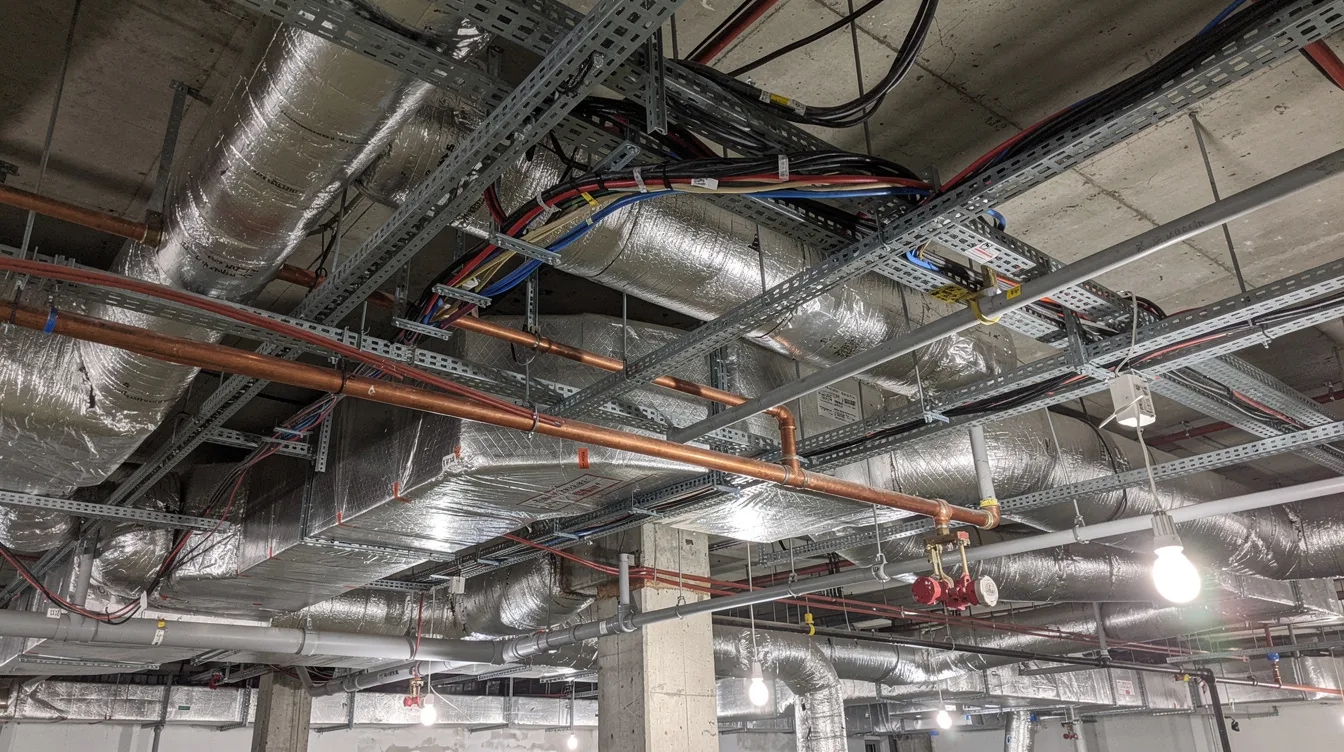
MEP routing that ignores field tolerances. A run may fit in the model but still fail in the field when slab variation, embed placement, hanger access, slope requirements, or ceiling constraints are tighter than expected. On healthcare, industrial, and other dense projects common in the Ohio Valley, small dimensional differences can cascade quickly.
Prefabricated assemblies built from outdated information. Prefab racks and modules built before field conditions are confirmed can arrive on site and fail to fit as planned, creating scrap, delay, and crew downtime.
Incomplete closeout data. A final model that does not reflect field changes, substitutions, asset tags, or equipment information leaves owners with records that are less useful for operations and maintenance.
Each of these failures turns a coordinated model from a planning asset into a source of downstream confusion.
Verification Before Installation: The Missing Step
Many VDC coordination failures are not caused by poor modeling. They happen in the gap between “coordinated” and “released for install.” A model can be well organized and still be wrong for field use if no one confirms that it matches contract documents, current decisions, and actual site conditions.
ABC technology case-study material has emphasized that model-based layout information should be thoroughly verified against the for-construction contract documents before it is used in the field. That point is easy to overlook when the team is pushing to keep fabrication and installation moving, but it is one of the clearest ways to keep model errors from becoming field errors.
A practical pre-install verification workflow for an Ohio Valley contractor can include:
- Identifying critical elements such as MEP mains, penetrations, embeds, and anchor locations.
- Extracting coordinate and dimension data from the model.
- Checking those coordinates against signed contract documents, survey data, approved layout plans, and current field conditions.
- Locking a clear release-for-install version so crews know which file governs the work.
- Communicating changes, exceptions, and version control to foremen, layout personnel, and prefab teams before installation starts.
Reality capture and scanning can help, but the larger discipline is procedural. If nobody owns the verification step, the model may still send avoidable mistakes into the field.
Bringing the Field into VDC Coordination
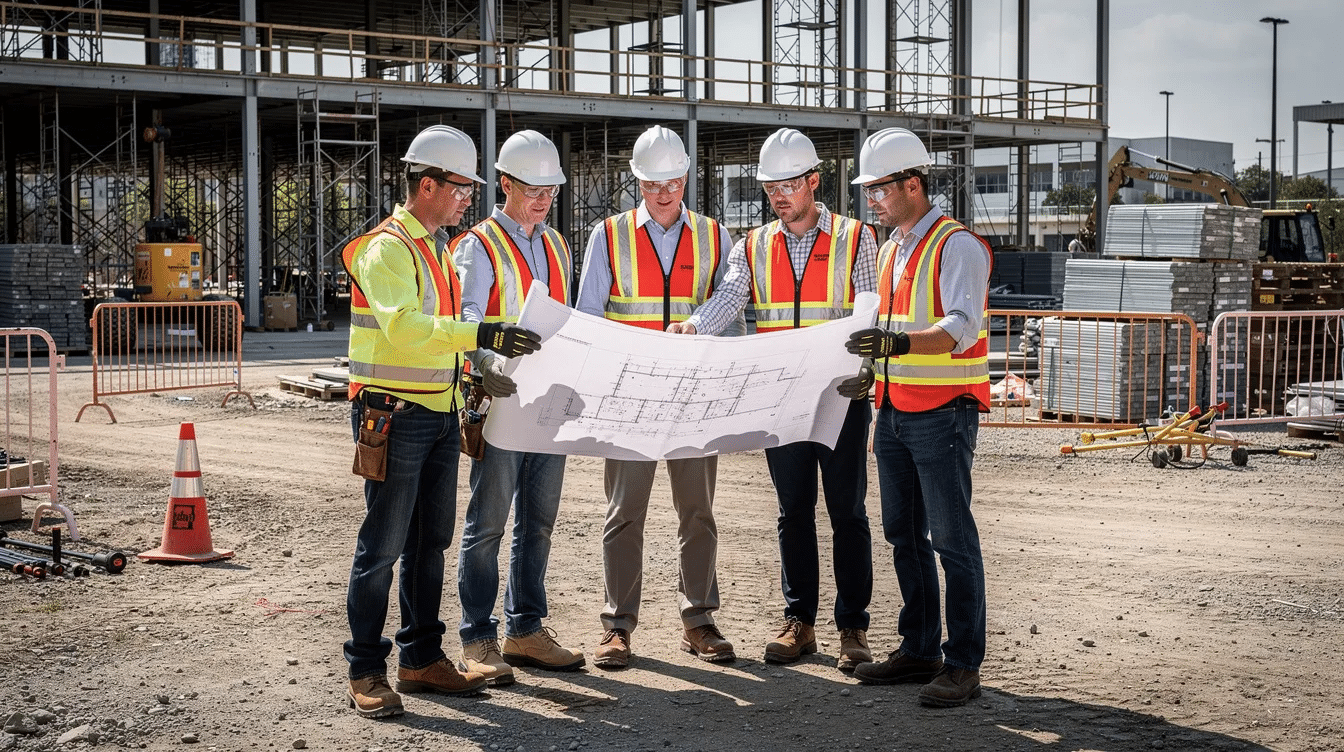
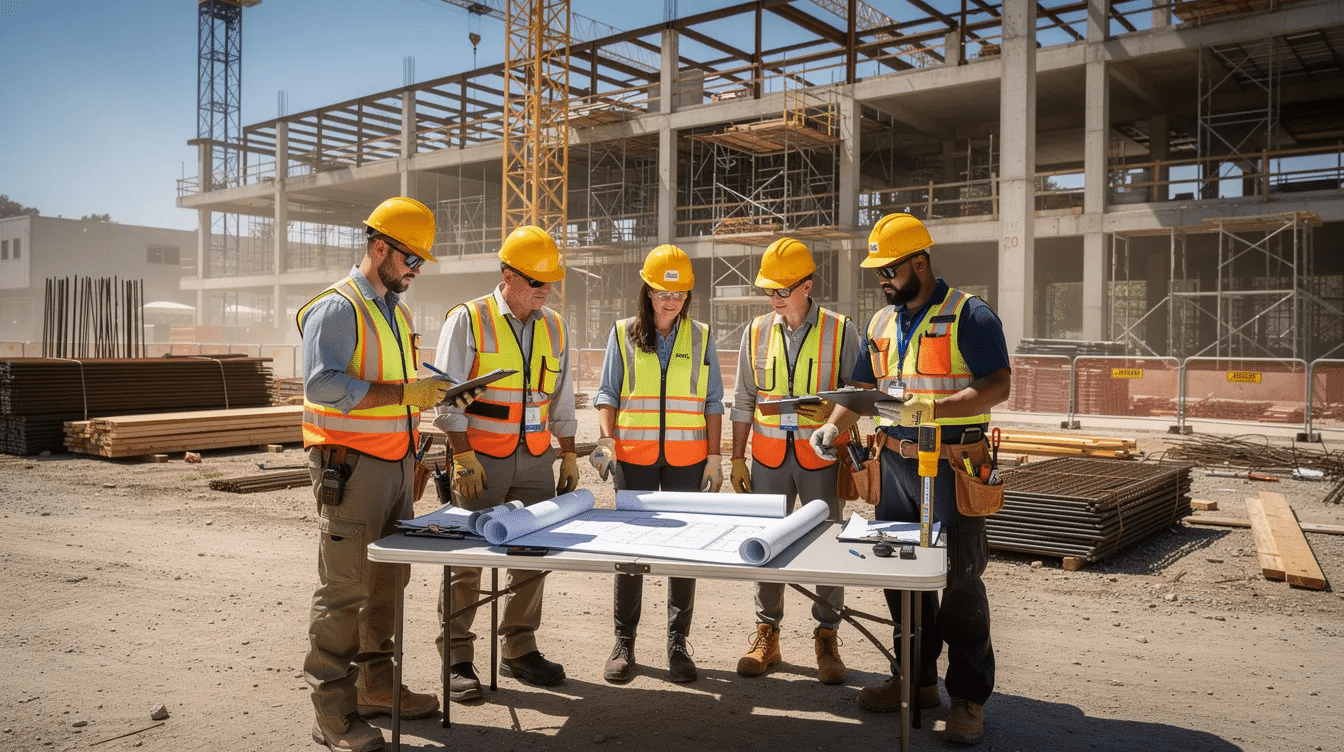
Superintendents, foremen, and lead trades should actively participate in VDC coordination, not passively receive screenshots or PDF markups. When field leaders are excluded from coordination discussions, they may not understand why routing, access, or sequencing decisions were made, and they are more likely to override model assumptions once installation begins.
Practical steps include bringing field leaders into final coordination and constructability reviews, holding short recurring model-based look-ahead meetings, and documenting why key coordination decisions were made. These steps can help teams identify constructability concerns and some jobsite hazards earlier, before crews are forced into rushed adjustments in tight spaces.
Mobile access to current model views and coordinated layout points also helps keep office and field teams aligned. The strongest VDC workflows are not office-only workflows. They create a common operating picture that crews can actually use.
Using Reality Capture and Laser Scanning for Construction Verification
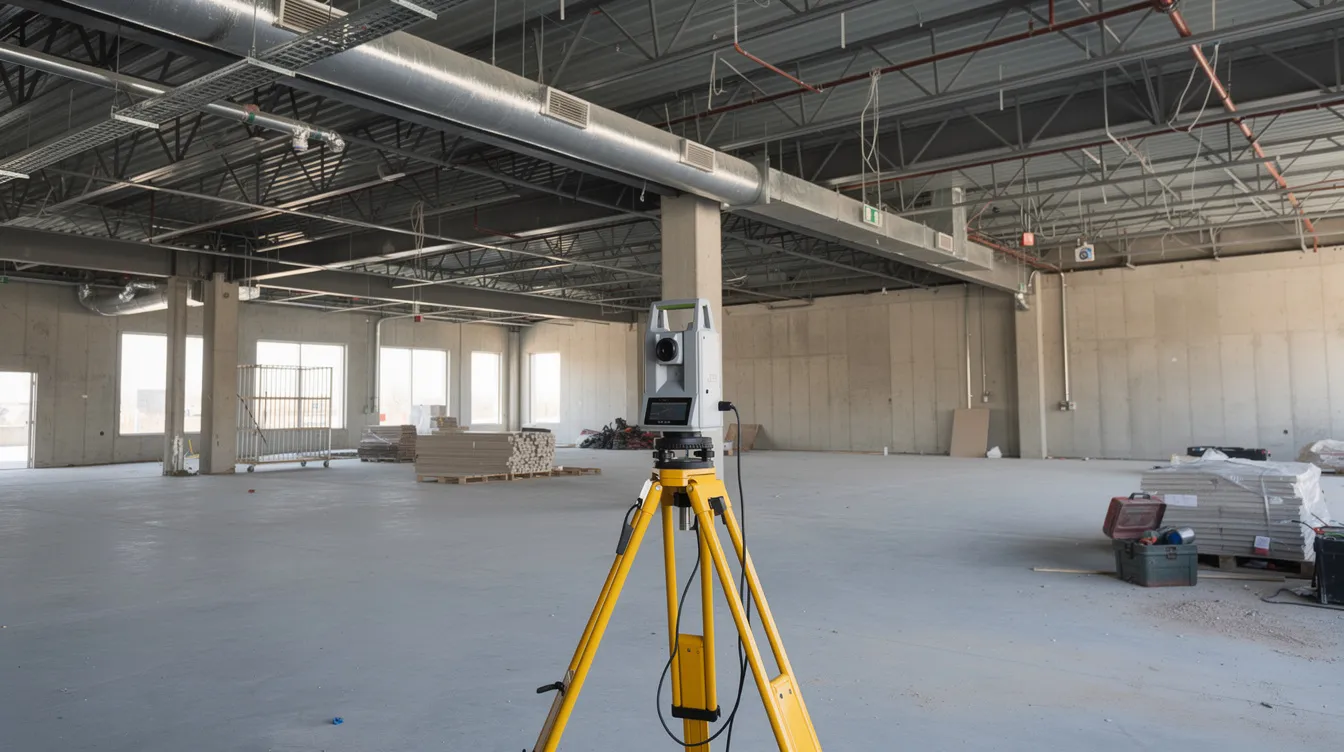
Reality capture is becoming more common on larger commercial and industrial projects because it gives teams an objective way to compare what exists in the field with what the model assumes. For contractors trying to reduce downstream surprises, that makes scanning a useful verification tool, not just a visualization tool.
A typical scan-to-verify workflow can look like this:
- Perform a laser scan after a key milestone such as embeds, structure completion, or rough-in.
- Generate a point cloud and align it with the coordinated model.
- Review deviations or clashes between modeled and installed conditions.
- Use those findings in quality-control and coordination meetings to decide whether to accept, adjust, or re-sequence work.
When properly executed, laser scanning can provide highly precise field measurements and a reliable visual record of as-built conditions. That can be especially useful before ceilings, walls, concrete, or fireproofing conceal the work.
Still, scanning does not replace disciplined coordination. Without a process for acting on what the scan reveals, the technology becomes a record of problems instead of a way to prevent them.
Sequencing, Prefab, and Trade Coordination in a VDC Workflow
VDC coordination creates the most value when it drives sequence and installation planning, not when it sits apart from the project schedule. A model may show where systems fit, but teams still need to decide when work arrives, how areas are accessed, and whether one trade’s installation closes off another trade’s path.
That matters directly for prefabrication. Coordinated models can support multi-trade racks, just-in-time delivery, and more predictable manpower planning, but only if the underlying information is current and field-ready. If a late change undermines the assumptions behind fabrication, the prefab advantage can disappear quickly.
For project managers, VDC leads, and superintendents, the practical goal is to connect look-ahead schedules, coordination decisions, and fabrication release points. When that happens, the model starts driving the work instead of trailing it.
Digital Closeout: Making the Model Useful After Turnover
Owners increasingly expect more than binders of static PDFs at closeout. They want digital records that reflect what was actually installed and can support operations after handoff.
That is where disciplined VDC coordination pays off again. If the model is updated through field changes and verification milestones, closeout can include a more accurate as-built model, better organized asset data, and clearer links to O&M information and warranty documentation. That can make final turnover smoother and give owners a more usable record for future maintenance, renovations, and capital planning.
For contractors, the message is straightforward: the model becomes more valuable when closeout is planned from the beginning, not treated as a documentation scramble at the end.
Building Skills and Roles: The BIM Coordinator and VDC Team
A BIM coordinator or VDC lead on a commercial or industrial project does more than run clash detection. The role also involves coordinating updates, planning verification steps, and helping office and field teams work from the same information.
That requires more than software knowledge. Contractors get the most value from VDC personnel who understand construction means and methods, can read contract documents across disciplines, and are comfortable leading coordination conversations with project managers, superintendents, and trade partners.
Useful skills include:
- Understanding how buildings are actually assembled, not just how models are organized.
- Interpreting design intent, contract documents, and discipline-specific requirements.
- Leading cross-trade coordination and issue-resolution discussions.
- Working with scanning, point clouds, and as-built reconciliation when a project requires them.
ABC Ohio Valley and OVCEF can support broader training and professional development to help contractors build stronger technology and field-coordination capabilities, but the immediate need on most projects is practical: make sure the people managing the model also understand the realities of installation.

Practical Next Steps for Ohio Valley Contractors
VDC coordination delivers value only when it survives contact with the jobsite. For contractors across the Ohio Valley, the real opportunity is to close the gap between a clash-free model and a field-ready one.
A practical next-step checklist for the next quarter:
- Define who owns model updates after substitutions, RFIs, and field changes.
- Add a formal pre-install verification checkpoint for critical systems before releasing work to the field or shop.
- Bring superintendents and key foremen into final coordination reviews.
- Pilot a basic scan-to-verify workflow on one high-risk phase or area.
- Map closeout requirements early so the model supports turnover instead of complicating it.
- Review rework, missed coordination issues, and inspection problems after each project to refine the process.
For merit shop contractors, disciplined VDC coordination aligns with the same principles that drive strong project delivery: performance, accountability, and value. The firms that connect model coordination to field verification and execution will be better positioned to reduce surprises, protect schedules, and hand over better information at closeout.
Contact ABC Ohio Valley to learn more about training, workforce development, and operational support that can help your team strengthen VDC coordination on future projects.