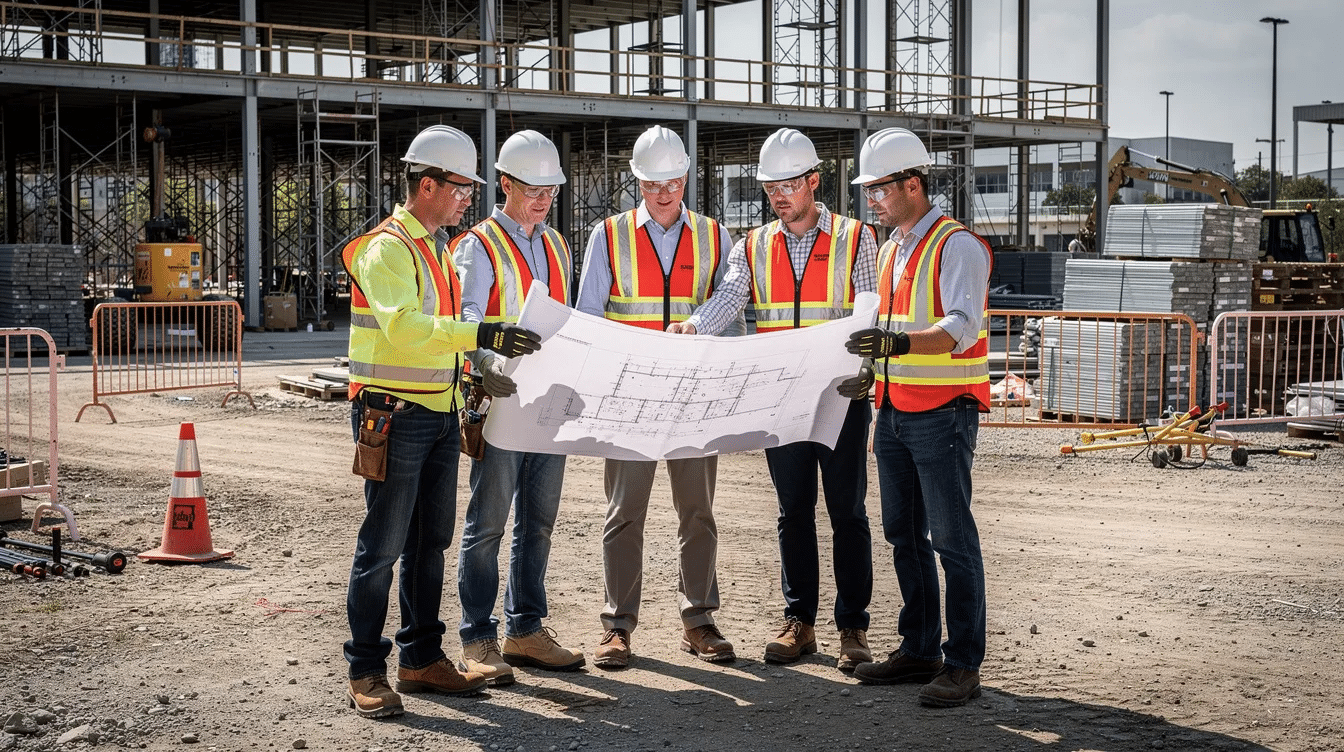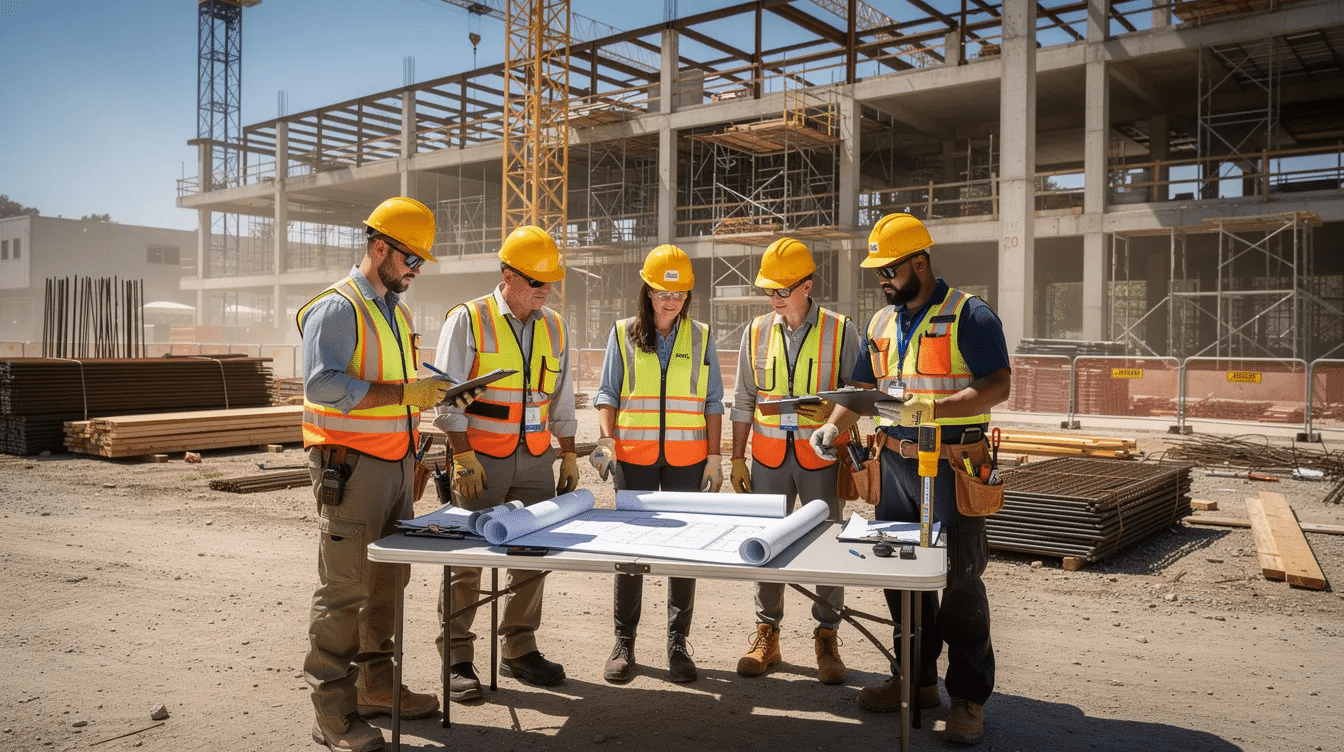

Construction wellbeing and safety are tested most when a worker is alone. On busy jobsites across the Ohio Valley, isolation can happen in ways that are easy to miss: an electrician troubleshooting in a basement mechanical room, a superintendent walking a building after dark, or a laborer finishing cleanup on a floor where no other trades are scheduled. These conditions change the risk equation for both immediate physical safety and day-to-day well-being.
Working alone is not automatically prohibited in construction, but federal safety agencies recognize that it can create real hazards. OSHA says no general standard addresses an employee simply “working alone,” but it encourages employers to plan emergency procedures for isolated workers. NIOSH has also highlighted lone work as a condition that can delay emergency response and increase safety and health risks, especially in higher-hazard settings. For Ohio Valley contractors, that makes lone-worker planning a practical part of safety leadership, not a niche policy issue.
ABC Ohio Valley supports contractors through safety, training, workforce development, communication, marketing, and advocacy. That broader mission makes lone-worker protection a natural fit: if a company wants a stronger, more resilient workforce, it needs field systems that protect people when help is not immediately nearby.
Key takeaways:
- Lone work is common on construction sites even when a project appears fully staffed.
- The biggest risk is often delayed assistance when something goes wrong.
- Isolation can also add stress, reduce support, and affect attention and decision-making.
- Contractors can reduce the risk with a clear lone-worker policy, structured communication, and tested emergency procedures.
- Treating lone-worker protection as both a safety and wellbeing issue can strengthen day-to-day safety culture.
Defining Lone Work in Construction: More Than Just Being Physically Alone
A lone worker is not just someone in an empty building. In construction, a worker can be effectively alone when no one can readily see or hear them, and assistance is not quickly available. NIOSH notes that OSHA and NIOSH do not currently use a single formal definition of lone work, but in its 2024 bulletin it described lone work as a potentially hazardous condition where a worker cannot be seen or heard by another worker, and help is not readily available.
That distinction matters on active projects. A service tech on rooftop equipment in Dayton, an electrician handling shutdown work in a remote mechanical room near Cincinnati, a laborer doing early-morning cleanup before other trades arrive, or a superintendent conducting an after-hours walkthrough in Northern Kentucky may all be working alone in a practical sense, even if dozens of people are elsewhere on the project.
The difference between being physically alone and being effectively alone matters because it shapes how fast help can reach someone. On large sites with multiple levels, wings, or detached structures, a worker who falls, suffers heat illness, experiences a medical emergency, or encounters threatening behavior may be out of sight and out of earshot longer than supervisors realize.
Everyday tasks that can create lone-worker conditions include:
- Punch-list work in unoccupied areas
- Inspections before or after normal working hours
- Trips to off-site laydown yards or storage areas
- Utility tie-ins at remote points on larger campuses
- Driving between multiple job locations during the day
What OSHA and NIOSH Say About Lone Workers
OSHA does not enforce one broad standard that covers all lone-work situations. In its FAQ on working alone, OSHA says no general OSHA standard covers an employee “working alone” except in certain specific circumstances. The same FAQ encourages employers to develop emergency procedures and may provide devices such as wireless notification tools or cell phones, while noting those measures are generally recommendations rather than standalone enforceable requirements.
NIOSH takes the concern further by focusing on the hazard created when assistance is not readily available. In its 2024 lone-worker bulletin, NIOSH wrote that working alone can delay or deny a robust response to a workplace emergency, especially in high-hazard industries. The bulletin also notes that lone work may occur on fixed or mobile worksites, including construction sites, and may be either permanent or temporary.
That combination is important for contractors. A company does not need a dedicated “lone-worker division” to have lone-worker risk. It only needs ordinary tasks, changing schedules, large sites, after-hours work, or blind spots in supervision. In some situations, specific OSHA standards already limit or prohibit lone work, such as certain confined-space, hazardous atmosphere, emergency-response, or energized-work situations. Outside those scenarios, contractors still need to consider recognized hazards and emergency-response expectations before work begins.
NIOSH has also published on psychosocial hazards in construction, noting that conditions such as high demands, low control over work, and limited supervisor or coworker support can contribute to poor health and poorer safety outcomes. That matters here because working alone can reduce exactly the kind of support that helps workers solve problems early and make safer decisions.
Where Lone-Worker Conditions Show Up on Ohio Valley Jobsites
Commercial, industrial, and institutional projects across Cincinnati, Dayton, Springfield, Lima, Northern Kentucky, and Southeastern Indiana regularly create pockets of isolation, even when the overall project seems busy. The issue is not just remote rural work. It also shows up in hospitals, schools, manufacturing facilities, warehouses, and multi-story commercial buildings where distance, layout, noise, and timing separate people from each other.
Common scenarios include:
- Early-morning or late-evening tie-ins at manufacturing plants
- Solo service calls to remote areas of campus-style facilities
- Roof work, shaft work, or inspections out of sight from ground crews
- Pump, utility, or equipment checks in detached or isolated site areas
- Travel between multiple active projects during the workday
Smaller contractors and large contractors face the issue differently. A two-person crew can lose its informal buddy system the moment one worker heads to the truck, another floor, or another building. On a larger site, more workers may be present overall, but so are more blind spots, more schedule gaps, and more assumptions that someone else is nearby.
Seasonal conditions in the Ohio Valley can intensify the risk. Short winter daylight can push some work into darker conditions. Summer heat can be more dangerous when no coworker is close enough to spot symptoms early. Storms, power interruptions, and schedule shifts can also leave people performing tasks alone that were not originally planned that way.

How Isolation Affects Wellbeing, Attention, and Decision-Making
Working alone changes more than response time. It can also change how a person experiences the work itself. A lone worker may know that if something goes wrong, help may take longer to arrive. That awareness can increase stress, especially during difficult tasks, after hours, or in unfamiliar areas.
NIOSH’s construction psychosocial hazards bulletin helps explain why this matters. The agency says working conditions such as high demands, low control over work tasks, and lack of support from supervisors or coworkers can produce adverse health effects and are associated with poorer safety outcomes. Lone work does not create every one of those conditions by itself, but it can intensify low-support situations and remove the immediate backup workers often rely on when conditions change.
In the field, that may look like rushing to finish a task, hesitating to stop work, second-guessing a changing condition, or pushing through fatigue or discomfort without asking for help. For supervisors, that means treating reluctance to work alone as useful safety information, not a sign that someone is unwilling to work.
Construction companies that connect wellbeing and safety often catch problems earlier. When a foreman asks not only whether a worker has the right tools and PPE, but also whether the task setup leaves the worker unsupported, that conversation can improve both the plan and the worker’s confidence in it.
Core Elements of a Lone-Worker Safety Policy
A written lone-worker policy should sit inside the broader safety program, not apart from it. The goal is not to create another binder. The goal is to make sure pre-task planning, supervision, communication, and emergency response reflect the realities of isolated work.
The policy should cover:
- Scope and definitions: Which roles, tasks, or site conditions count as lone work.
- Task-based risk review: Which situations are low risk, which need extra controls, and which should not be done alone.
- Communication expectations: Who checks in, how often, how, and what happens if contact is missed.
- Emergency response steps: Who responds to a missed check-in, who verifies location, and how escalation happens.
- Stop-work authority: When a worker or supervisor can delay or refuse lone work because conditions have changed.
- Reporting procedures: How workers raise concerns about isolation, coverage gaps, or device failures.
The best policies are simple enough for field leaders to explain clearly. If check-in expectations are too complicated to remember, they are unlikely to work consistently in the field.
Practical Controls: From Planning to Communication and Rescue
The first control for lone-worker risk is avoidance. If a higher-risk task can be scheduled when a second qualified person is present, that is usually the strongest option. This is especially important for tasks already governed by stricter standards or tasks where a quick rescue may be unrealistic without another person nearby.
When work must proceed with one person, contractors can still reduce exposure by building structure around it. Practical controls include:
- Identifying lone-work tasks during pre-task planning instead of discovering them mid-shift
- Using a buddy or two-person assignment for elevated-risk work where feasible
- Setting scheduled check-ins by radio, phone, or another tested method
- Defining what counts as a missed check-in and who responds first
- Making after-hours site access visible to supervision
- Coordinating with facility staff, security, or other on-site personnel when work occurs in occupied or spread-out facilities
Suggested check-in frequency can vary by task, site conditions, communication reliability, and emergency consequences. For some contractors, more frequent contact may be appropriate for higher-risk or after-hours work. The important point is not a universal number. It is having a clear rule that matches the task and that supervisors actually follow.
PPE still matters, but it is not the main answer. PPE helps reduce injury severity; it does not solve delayed discovery or delayed rescue. The same is true of communication devices. They can strengthen a lone-worker program, but they work best as one layer inside a larger system of planning, supervision, and response. Contractors exploring broader safety tools can also review proactive jobsite safety technology as a related topic, while keeping lone-worker planning as the main objective here.
Choosing and Using Lone-Worker Devices on Construction Sites
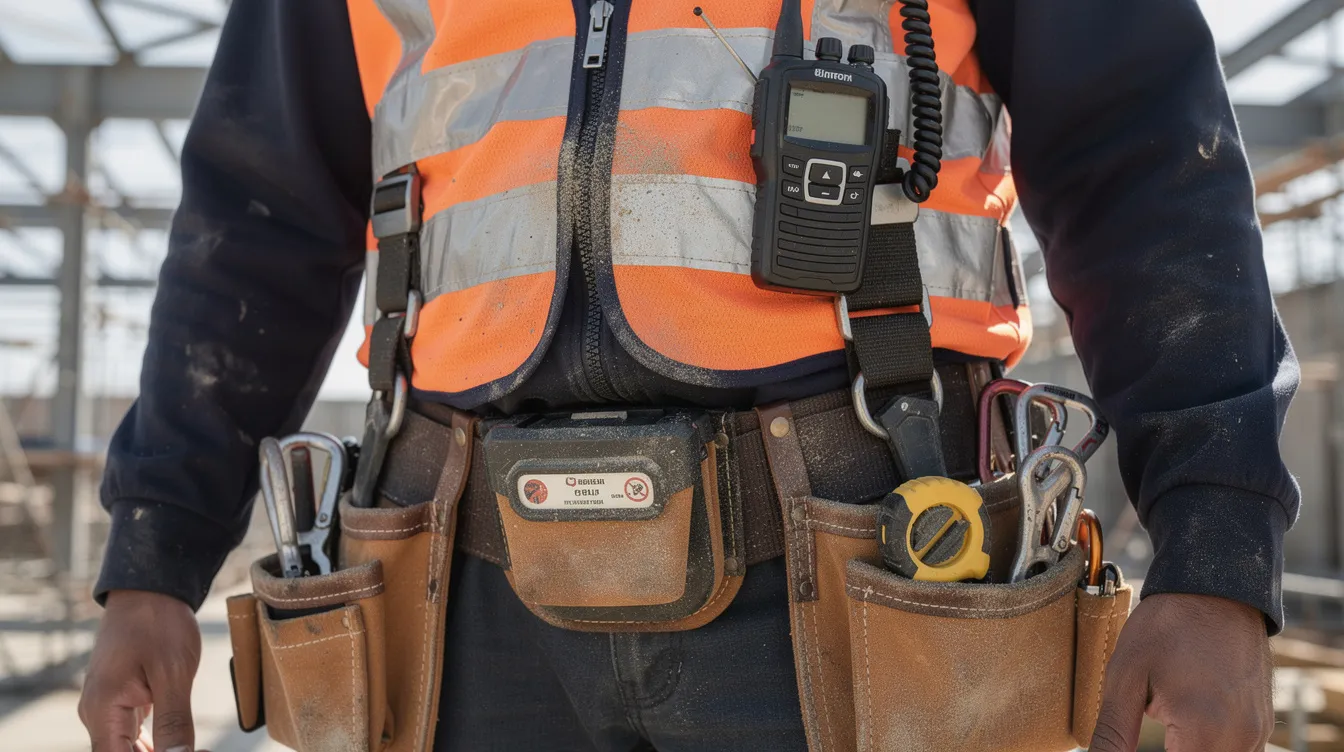
Lone-worker devices can support communication and faster response, but contractors should judge them by field performance, not vendor language. Depending on the task and site, contractors may look at mobile check-in apps, radios, panic features, location-enabled devices, or man-down alerts.
Useful features may include:
- Reliable communication on multi-level or partially enclosed sites
- Simple emergency activation that works under stress
- Location information detailed enough to guide responders
- Alerts for missed check-ins or possible immobility where appropriate
- Battery life and durability that fit actual jobsite conditions
NIOSH’s 2024 bulletin is helpful here because it also notes open questions about lone-worker technology, including effectiveness, cost, employee buy-in, and how employers use the large amount of data these systems can generate. It even notes that some monitoring technologies may introduce psychosocial stress if workers feel constantly watched. That is a useful reminder not to confuse “more tracking” with “better safety.”
In practice, test devices where the work happens. Concrete, steel, mechanical rooms, roofs, basements, and detached structures can create coverage problems that a demo never reveals. If a device fails in the exact spaces where a worker is likely to be isolated, it may create false confidence rather than protection.
Supervision, Training, and Worker Support
Policies and devices only work when supervisors recognize lone-worker conditions early and respond consistently. Foremen, superintendents, and project managers should be trained to spot when ordinary work has become isolated work and to ask basic questions before the task starts:
- Can someone readily see or hear this worker?
- If something goes wrong, how will anyone know?
- How quickly could help actually reach this location?
- Does this task need a second person or a different schedule?
Scenario-based toolbox talks can help teams answer those questions before a real incident tests the system. The most useful discussions are concrete: a worker on a roof after hours, a mechanic alone in a detached area, or a laborer sent to an isolated floor at the end of the day.
Worker support also matters. Lone-worker planning should make it clear that employees can raise concerns about communication, location, fatigue, weather, or task setup without being treated as difficult. That reinforces the article’s core point: lone-worker protection is not only about whether a task can be done. It is also about whether it can be done safely and with enough support.
Measuring Whether Your Controls Actually Work
Check lone-worker procedures in the field, not just because they are written down. Useful indicators include:
- Whether lone-work tasks are identified during pre-job or pre-task planning
- Whether check-ins happen as planned
- How quickly supervisors respond to missed communication
- Whether workers actually carry and use assigned devices
- Whether near-miss reviews reveal recurring isolation problems
Short drills can help. For example, a supervisor can test how long it takes to recognize a missed check-in, verify the worker’s last known location, and reach that area. A tabletop review can reveal the same problem many companies find in the field: everyone assumed someone else knew where the worker was.
These measurements do not need to be complicated. A small set of practical checks usually tells more than a large spreadsheet no one reviews.
A Short Ohio Valley Checklist for Lone-Worker Safety and Wellbeing
Use this checklist as a starting point for your next safety meeting or project kickoff:
- Identify which current tasks, shifts, or site areas create lone-worker conditions.
- Confirm you have a written process for planning, authorizing, and monitoring lone work.
- Test at least one reliable communication method in actual site conditions.
- Review which tasks your company rules or applicable standards prohibit doing alone.
- Set a clear missed-check-in response procedure and assign responsibility for it.
- Run one drill this quarter to test how quickly a supervisor can locate and assist an isolated worker.
- Ask crews where they feel unsupported or hard to reach on current projects, then document the answers.
- Include lone-worker scenarios in an upcoming toolbox talk or safety meeting.
- Discuss your approach with peers at the next Health & Safety Exchange or another chapter safety event.
Treating Lone-Worker Protection as Everyday Construction Management
Working alone is common in construction, and that is exactly why it deserves more attention. It affects immediate safety, emergency response, supervision, communication, and worker wellbeing. Contractors that treat lone-worker planning as everyday management, rather than as an edge-case safety topic, are more likely to catch gaps before an incident exposes them.
For Ohio Valley contractors, the next step is straightforward: review current projects and name the tasks, times, and locations where people are effectively working alone. Compare those conditions against your existing safety procedures. If your company lacks a clear lone-worker process, build one. If it does, test it under real field conditions. For broader chapter resources on safety, training, and contractor support, visit ABC Ohio Valley.