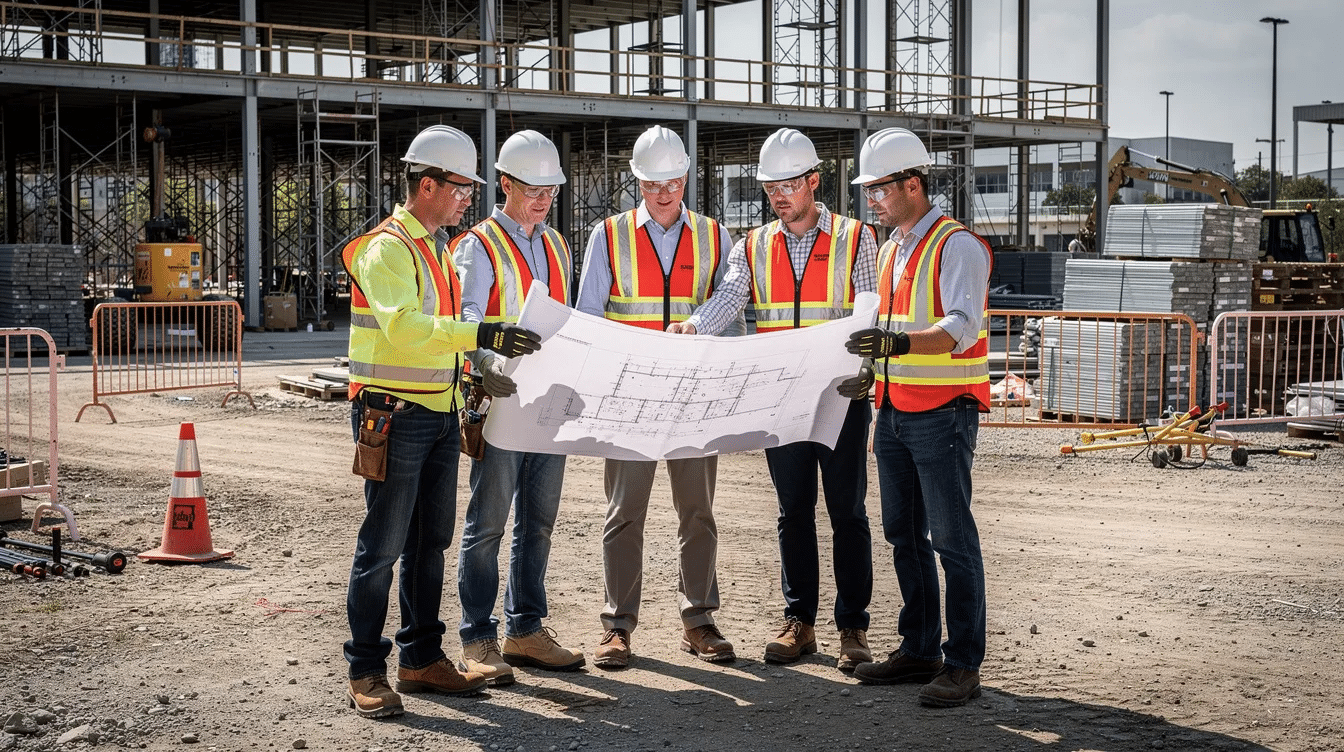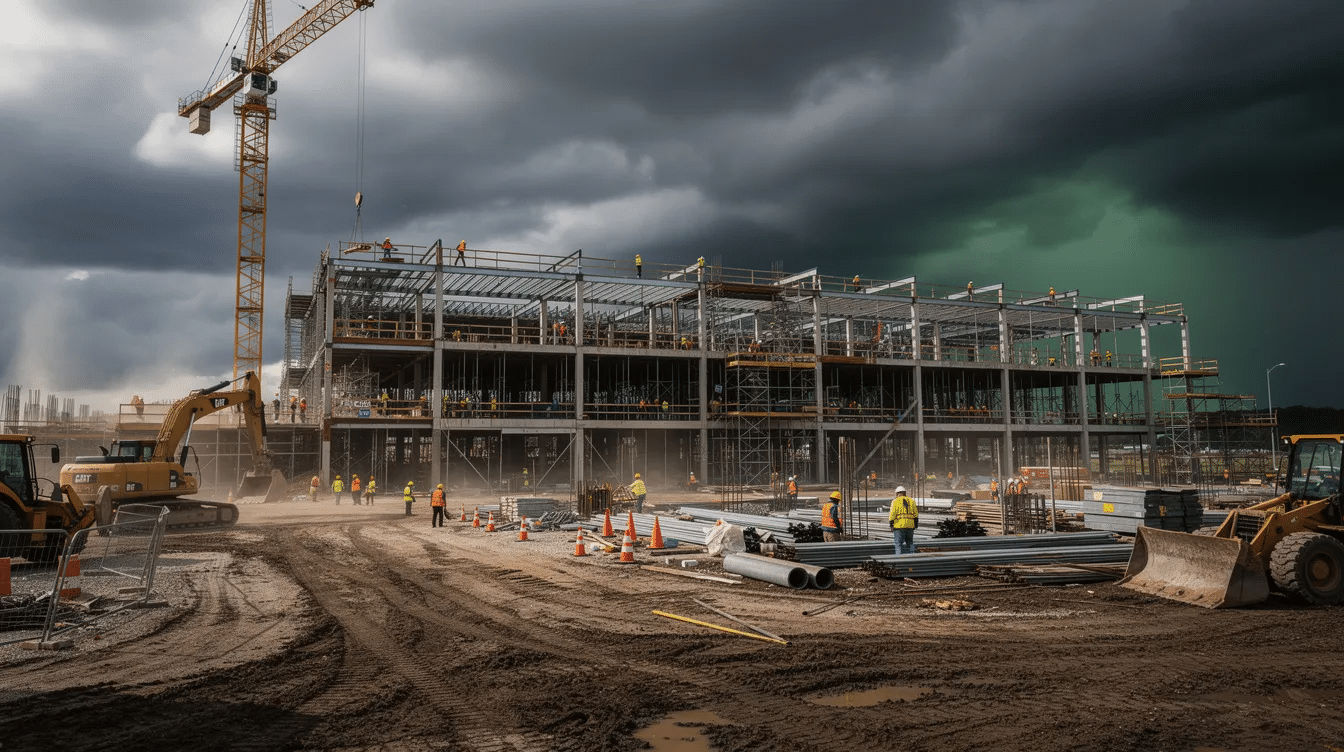

Protecting construction workers during extreme weather requires a proactive multi-hazard approach, not a single-season checklist filed in a trailer and forgotten. For contractors managing active construction projects across Cincinnati, Dayton, Springfield, Lima, Northern Kentucky, and Southeastern Indiana, extreme-weather construction safety demands specific answers to three questions before any storm: Who checks forecasts? Who can stop work? How do crews secure each construction site?
Key Takeaways
- Companies should establish a comprehensive Extreme Weather Preparedness Plan covering wind, lightning, heavy rain, flash flooding, extreme heat, and extreme cold, with named roles and clear stop-work triggers for every job site.
- OSHA expects severe weather to be addressed in a written emergency action plan under 29 CFR 1926.35, and most existing plans need updating for today’s faster, more frequent weather events.
- Construction safety requires real-time monitoring and proactive site preparation during extreme weather events, using National Weather Service watches, warnings, and hazardous weather outlooks as official decision triggers.
- This article provides a pre-storm checklist covering people, construction materials, heavy equipment, and temporary structures, tailored to commercial and industrial jobs along the I-75 and I-70 corridors.
- Use this playbook to align your emergency action plan, toolbox talks, and ABC Ohio Valley safety training so construction crews know exactly what to do when severe weather threatens.
Why Extreme Weather Planning Belongs in Every Construction Project
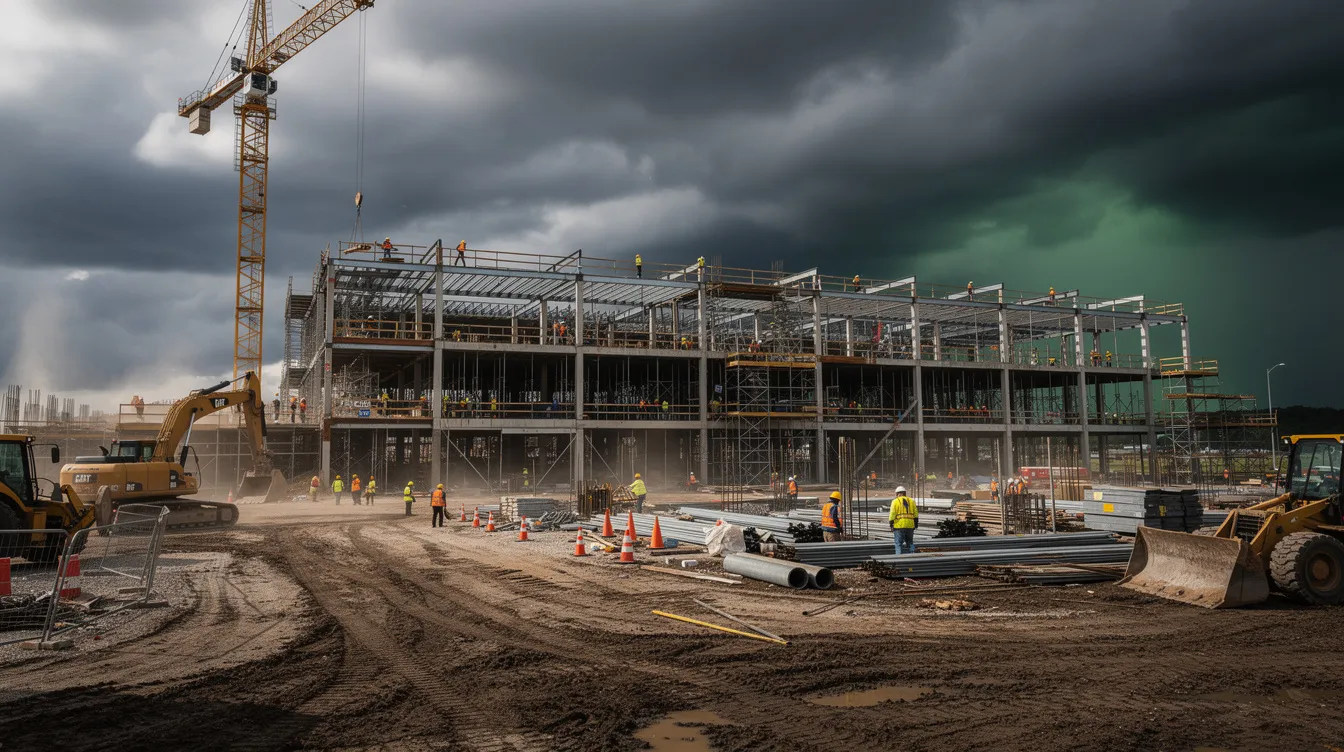
Severe weather events no longer follow predictable seasonal patterns in the Ohio Valley. Spring thunderstorms deliver high winds and flash flooding in April. Late summer heat waves push heat index values above 100°F for consecutive days. Early winter storms bring freezing temperatures and ice, turning scaffolds and access roads into fall hazards. Construction companies must implement weather-specific safety plans that include worker training because each of these weather events threatens worker safety, heavy equipment, construction materials, and project timelines on any construction site.
Severe weather can impact construction budgets and schedules well beyond the hours lost during the event itself. Wind damage can delay construction and compromise safety for days. Heavy rain is a leading cause of construction site damage, saturating laydown yards, flooding excavations, and degrading partially completed structures. As Construction Executive reported in its analysis of extreme weather risks on construction sites, the construction industry should treat weather as an operational risk to be managed through planning, communications, and field-level triggers, not as an occasional inconvenience absorbed into the schedule.
A well-prepared site can weather storms with fewer problems. Use weather monitoring tools to track developing storms and high wind speeds on site. For ABC Ohio Valley members building commercial and industrial projects across the region, pre-event readiness is both a safety obligation and a competitive differentiator.
From Compliance to Real Job Site Preparedness
Many contractors already have OSHA-driven safety plans that mention high winds, extreme heat, and winter storms. Those plans often rely on outdated climate norms. Ohio’s climate data shows an increasing number of heavy precipitation events over the past quarter century. Summers now produce heat index spikes of 100°F to 110°F more frequently than a decade ago. Emergency planning requires continuous monitoring of weather forecasts and a clear chain of command, yet too many written plans stop at generic language like “monitor weather conditions.”
Monitoring weather reports is crucial for construction site safety, but a plan that doesn’t tell a foreman exactly when to stop work, who gives the order, and how to secure construction equipment before conditions deteriorate fails in the field. Construction sites now face fast-moving thunderstorm lines that can outpace slow decision-making, and flash flooding that overwhelms drainage systems with little warning.
Merit-shop firms can turn weather resilience into a competitive advantage by integrating it into project planning and safety culture. The three biggest weaknesses of “check-the-box” weather plans are:
- Vague or nonexistent stop-work triggers that leave supervisors guessing
- Unclear communication chains where construction crews do not know who gives the order
- No recovery or restart procedures after a storm passes, leading to unsafe re-entry
OSHA, Emergency Action Plans, and Severe Weather
OSHA expects employers to plan ahead for emergencies, and severe weather is specifically listed as a foreseeable emergency type, including floods, tornadoes, winter weather, and wildfires. Under 29 CFR 1926.35, a construction site emergency action plan must be in writing and cover the designated actions employers and employees must take to ensure safety. Smaller employers with 10 or fewer employees may communicate the plan orally, but still need a clear, repeatable approach to severe weather on every job site.
A construction weather emergency plan works best when integrated into the broader emergency action plan, not kept in a separate binder nobody reads. Employers should maintain clear evacuation routes and communication plans for severe weather events. Conduct pre-shift briefings on weather hazards and emergency procedures so every worker on site, including subcontractor personnel, understands the action plan before conditions change.
The most critical EAP elements for extreme weather include:
- Defined criteria for evacuation versus shelter-in-place decisions
- Alarm signals and a communication tree that reaches all construction workers, including those operating heavy equipment at height or in excavations
- Named persons responsible for monitoring weather updates, ordering stop work, and coordinating emergency response
- Rescue and medical procedures specific to lightning strikes, heat illness, hypothermia, and flooding injuries
Ohio Valley Weather Hazards to Plan For on Every Construction Site
ABC Ohio Valley contractors must plan for a mix of hazards that vary by season, site elevation, proximity to rivers and drainage, and the type of work underway. Thunderstorms can produce high winds, hail, and lightning, often arriving as fast-moving squall lines during spring and summer. Heavy rain can flood construction sites without proper drainage, and it can flood a site if drainage systems are incomplete or temporary drainage systems are not yet functional. Hurricane season lasts from June to November in the U.S., and while direct hurricane strikes are rare this far inland, remnants of a tropical storm or hurricane can deliver heavy rain and sustained winds that disrupt Ohio Valley job sites. Hurricanes can cause flooding and high winds at job sites even hundreds of miles from landfall.
Key weather types to document for each construction site:
- Extreme heat: Heat illnesses can occur in temperatures as low as 70 degrees Fahrenheit when humidity is high, and the job involves work in direct sunlight or near reflective surfaces. Drought can increase heat-related illnesses by extending exposure over consecutive days.
- Extreme cold and winter conditions: Ice can create fall hazards for workers on construction sites and damage temporary structures. Heavy snow loads stress scaffolds and shoring.
- High winds and severe thunderstorms: Sudden gust fronts can exceed 60 mph with little warning. Hail thunderstorms add impact damage to the risk.
- Heavy rain and flash flooding: Proximity to the Ohio River and its tributaries increases flood risk. Urban job sites face overwhelmed drainage.
- Lightning: The Ohio Valley averages dozens of thunderstorm days per year, making lightning strikes a recurring hazard for elevated work and crane operations.
Site-specific risk varies. Identify areas where water collects, where large wall openings expose workers to wind, and where construction equipment sits on low ground. Document which hazards are most likely at each job site during the current season and across the full project schedule.
Defining Clear Stop-Work Triggers for Wind, Lightning, Heat, Cold, and Flooding
Vague language like “use judgment” leaves supervisors without actionable guidance. Each construction site needs numeric or observable triggers to stop work, secure materials, and protect workers. Here is how to define them by hazard.
Wind and severe thunderstorms. High winds mandate securing loose materials and halting crane operations. OSHA’s scaffold standard (29 CFR 1926.451) prohibits work on scaffolds during storms or high winds unless a competent person confirms safety and protective measures are in place. Define maximum safe wind speeds for crane operation, scaffold work, and aerial lifts based on manufacturer specs and site conditions. Secure loose materials before severe weather hits, using tie-downs and banding material to prevent debris from becoming projectiles. When a tornado warning is issued, all workers must seek shelter immediately.
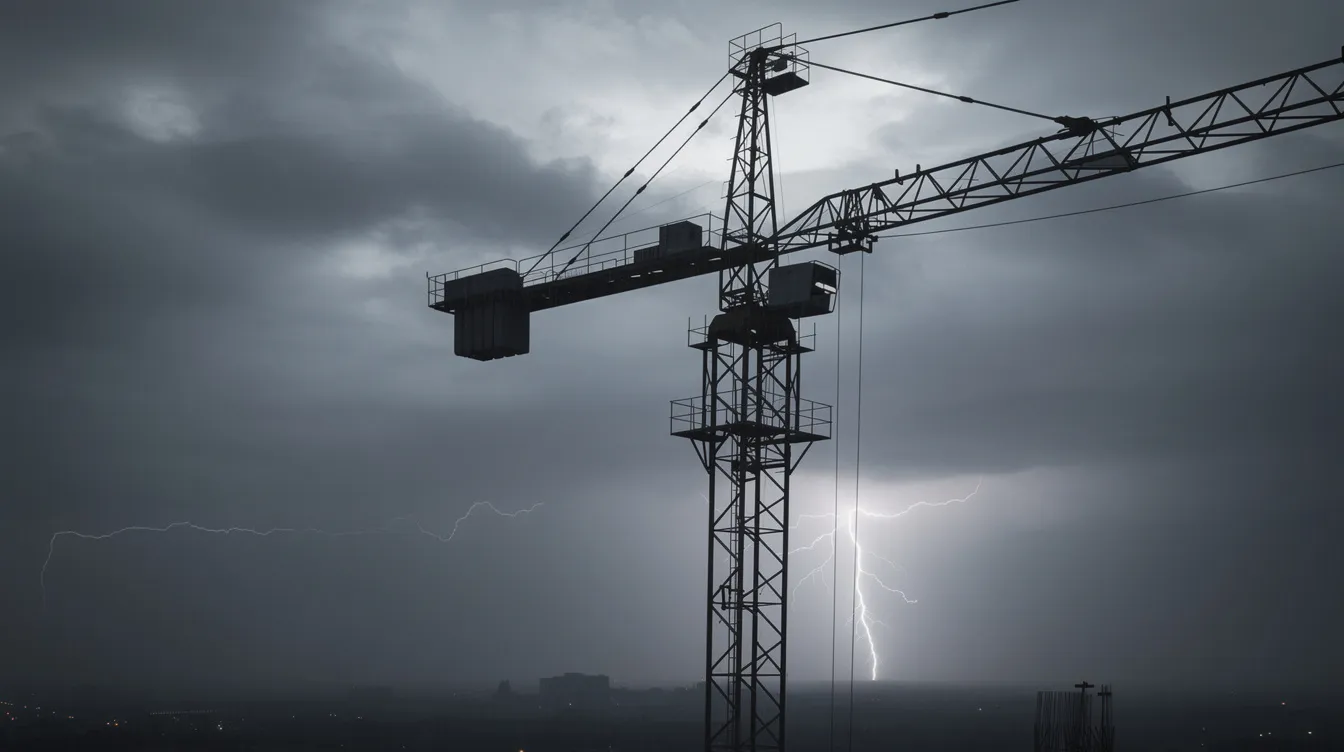
Lightning. Halt work during lightning activity, and workers must seek safe shelter immediately. Use a formal lightning safety protocol based on National Weather Service guidance: if thunder is heard or lightning is visible, stop outdoor work, and crews must not return until at least 30 minutes after the last observed lightning or thunder. Prioritize safety over schedule pressure in every case.
Extreme heat. Implement scheduled rest breaks in shaded or climate-controlled areas during extreme heat. Acclimatization protocols should gradually increase workloads for new or returning workers over a 7- to 14-day period. Use buddy systems to watch for signs of heat exhaustion and cold stress. Provide an ample supply of cool potable drinking water to prevent heat-related illnesses. Training crews to recognize early symptoms of heat stress is crucial, and extreme heat requires implementing hydration schedules for workers. Employees must be trained to recognize heat illness signs before they become emergencies. OSHA guidance identifies a heat index of 80°F as the point where serious occupational heat illnesses become more frequent.
Extreme cold and freezing temperatures. Training should include recognizing symptoms of hypothermia and frostbite. Freezing temperatures require providing layered clothing for workers along with other necessary protection supplies. OSHA requires training for operating equipment in winter conditions, and workers should know how to prevent hypothermia and frostbite. Training should include recognizing public winter weather warnings such as wind chill advisories and winter storm warnings. Concrete must not freeze for 24 hours after pouring, requiring heated enclosures or insulating blankets when cold temperatures are forecast. Set up heated shelters so workers can warm up and change out of damp clothing during cold-weather operations.
Heavy rain and flooding. Heavy rain necessitates inspecting excavations and trenches after rainstorms to reduce cave-in risks. Implement slip and traffic control measures during heavy rain and flooding. Provide high-visibility, slip-resistant footwear to reduce slip hazards in adverse conditions. Define triggers tied to National Weather Service flood watches and warnings, visible water encroachment on access routes, and forecast rainfall totals that could overwhelm site drainage. Use long-range forecasts to anticipate multi-day rain events and adjust project timelines before conditions force the decision. Temporary drainage systems and temporary coverings should be in place before forecast heavy rain arrives to prevent flooding.
Assigning Roles: Who Owns Weather Monitoring and Job Site Decisions?
Every construction site needs named people responsible for monitoring weather, making stop-work calls, and coordinating emergency procedures. A typical role structure assigns the project manager or superintendent as the final decision authority, the site safety professional or designated foreman as the daily weather monitor, and trade foremen as points of contact for construction crews and subcontractors.
Formalize these assignments in preconstruction meetings and job hazard analyses so subcontractors know who gives the weather safety order on the job site. The National Weather Service Wilmington, Ohio office serves much of the chapter’s footprint and provides watches, warnings, and hazardous weather outlooks that should serve as official triggers. For Northern Kentucky and Southeastern Indiana job sites, monitor the corresponding NWS offices as well. Review a hurricane watch, hurricane warning, or hurricane plan with your team before hurricane season, even in the Ohio Valley, because remnant moisture systems reach the region.
Build a communication tree using multiple channels: site radios, group text messages, PA systems, and multilingual messaging where applicable. The tree must reach workers operating heavy equipment, those working at height, and anyone in excavations or enclosed spaces. Confirm that every person on site, including vendors and delivery drivers, knows how to receive and act on weather updates.
Pre-Storm Checklist: Securing People, Materials, and Heavy Equipment
This checklist applies 24 to 48 hours before forecast severe weather and again in the last hours before impact.
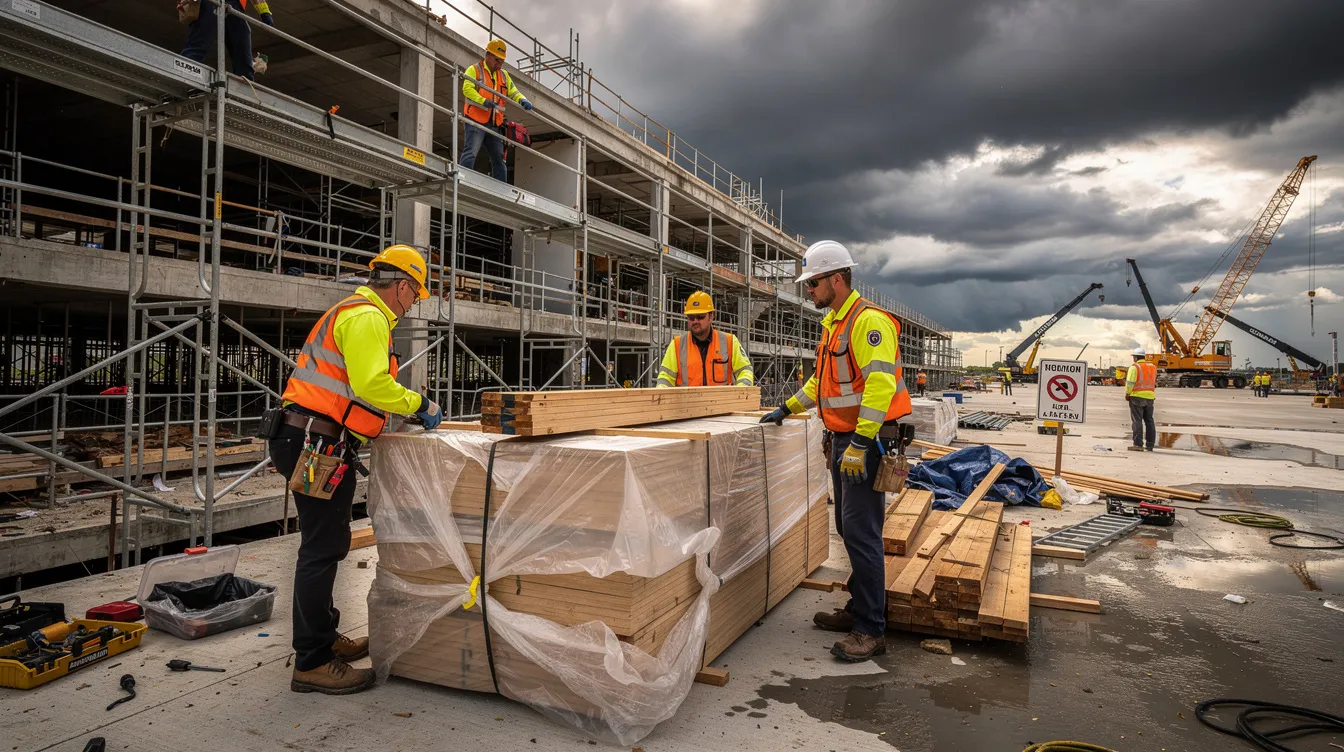
Loose materials and debris. Secure materials by moving them inside or using tie-downs and banding material. Remove tarps or sheeting that could act as sails. Brace building components and temporary structures against forecast wind loads.
Cranes, aerial lifts, and scaffolds. Lower or brace crane booms according to manufacturer guidance. Stow aerial lift platforms to ground level. Inspect scaffold connections and remove wind screens that increase wind loading. Store equipment that cannot be secured off site if conditions allow.
Temporary power and electrical equipment. Secure electrical equipment and use GFCIs in wet conditions to reduce risk. Disconnect nonessential systems. Cover or elevate generators. Protect electrical panels from water entry. Secure downed power lines response procedures in the action plan.
Storage and fuel. Move chemicals and fuel tanks to higher ground before heavy rain or flood risk. Secure storage containers and laydown yards. Confirm temporary coverings on open material storage.
Documents and digital systems. Protect field office files, as-built drawings, and project records by backing them up to cloud storage or moving physical copies off site. On larger construction projects, data loss can add weeks to recovery.
Personal protective equipment and protection supplies. Confirm that personal protective equipment for cold weather, wet conditions, and storm recovery is staged and accessible. Stock other necessary protection supplies including first-aid kits and emergency lighting.
During the Storm: Shelter, Communication, and Accountability
Once stop-work triggers are met, priorities shift to sheltering workers, maintaining communication, and avoiding exposure to extreme weather. Full evacuation of the construction site is appropriate when a tornado warning is issued or when flash flooding threatens egress routes. Shelter in place is appropriate for lightning, moderate wind, and heavy rain when permanent buildings are accessible.
Pre-identify safe shelter locations. Permanent buildings are preferred. Job trailers may not withstand high winds and should not be treated as primary shelter during severe thunderstorms. Workers should seek shelter away from large wall openings, windows, and metal structures during lightning.
Maintain accountability with roll calls at assembly points and sign-in logs coordinated with subcontractor supervisors. Keep a storm log: record the time of the stop-work decision, key weather updates, major site issues, and communications with owners or public agencies. This log supports both safety review and insurance claims documentation. Contact your insurance agent promptly if damage appears likely.
Post-Storm Recovery: Re-Entry, Inspections, and Restart Decisions
No crew should resume normal operations until a structured post-storm assessment confirms the construction site is safe. Conduct regular inspections of site conditions and risks after extreme weather events.
Staged re-entry. A small trained team conducts the initial safety sweep, checking for structural damage, downed power lines, compromised scaffolds, water in trenches, unstable soil, and ice on surfaces. Inspect building components and temporary structures before allowing broader access.
Documentation. Photograph damage, mark up plans, and log observations. These records support insurance claims and inform future risk management decisions. Share findings with owners, subcontractors, and, if appropriate, your insurance agent.
Utilities and systems. Test and restore temporary power, drainage systems, and critical systems only after a qualified person verifies safety. Confirm that electrical equipment is dry and functional before energizing.
After-action review. Within a day or two of the event, hold a short review to evaluate what worked, what failed, and how to update the severe weather action plan. Were stop-work triggers timely? Did communication reach everyone? Were preventive measures adequate? Feed the answers back into the written plan.
Building a Culture of Construction Extreme Weather Safety With ABC Ohio Valley
Rigorous weather planning fits inside a broader safety culture. Contractors pursuing safety excellence awards and participating in programs like STEP already have frameworks to absorb weather preparedness into daily operations. Members can tap into chapter safety training resources to deepen their construction crews’ understanding of weather hazards, emergency action plans, and job site drills.
Integrate weather preparedness into onboarding, regular toolbox talks, and pre-task planning instead of treating it as a once-a-year topic. Engaging in chapter events such as a Health and Safety Exchange helps safety managers compare weather-readiness practices with peers across the region and identify gaps in their own programs.
Adapt the pre-storm checklist provided here to each active construction site this season. Review it before the next severe weather system reaches the Ohio Valley, and connect with ABC Ohio Valley’s news coverage and safety resources to keep your plan current.
Frequently Asked Questions
These FAQs address practical issues Ohio Valley contractors often raise about construction extreme weather safety that are not fully covered above.
How often should we review and update our job site weather emergency action plan?
Review plans at least annually and whenever conditions change: moving into a new project phase, adding cranes or deep excavations, entering a new season, or after any severe weather event that exposes gaps. A plan written for site work in March may not address the heat stress risks of August or the winter conditions of January. Treat every post-storm after-action review as an opportunity to update triggers, contacts, and procedures in the written plan.
Who should decide when it is safe to restart work after a major storm?
The project superintendent or project manager should make restart decisions in consultation with the safety manager and, when needed, structural engineers or utility providers. Base the decision on documented inspections and hazard checks rather than schedule pressure. If downed power lines, unstable excavations, or compromised temporary structures are present, do not resume normal operations until qualified personnel clear each hazard.
How can small contractors without a full-time safety director manage severe weather risks effectively?
Assign clear weather responsibilities to a competent person on each site. Use OSHA and National Weather Service resources, which are free and publicly accessible, as the foundation of your monitoring and trigger system. Adopt a simplified version of the checklist from this article. Leverage ABC Ohio Valley training and safety peer groups to build practical severe weather procedures without the overhead of a dedicated safety department.
What role do apprentices and new workers play in construction extreme weather safety?
Include apprentices and new hires in weather-related orientation, drills, and toolbox talks from their first day. Train them to recognize signs of heat illness and cold stress, follow stop-work instructions immediately, and, under supervisor direction, help secure tools and loose materials before storms. Workers new to the construction industry need explicit instruction on emergency procedures because they may not yet recognize how fast weather conditions can turn dangerous.
How can we practice our severe weather plan without disrupting the project schedule?
Run short, focused drills tied to existing meetings or safety stand-downs. A 10-minute lightning shelter drill or a pre-season wind and flood walk-through costs little time and builds muscle memory. Frequent small practices are more effective and less disruptive than rare, large-scale exercises. Use seasonal transitions as natural drill points: review heat procedures before summer, winter storm protocols before the first freeze, and flood response before spring rains begin.