
In March 2025, Associated Builders and Contractors became the first building and construction association in the United States to earn national certification as a recovery-friendly workplace. The National Recovery Friendly Workplace Institute granted the certification, and the organization recognized it at a White House Recovery Month event that same year. The ABC Total Human Health Initiative is the framework behind this milestone: a structured approach to treating construction workers as whole people and building a healthy safety culture where mental health, substance use recovery, and personal well-being belong inside the safety conversation, not outside it.
A recovery-friendly workplace in construction means an employer has clear policies, training, and resources that support employees in recovery from substance use disorders while maintaining safety and performance standards. It does not mean relaxing drug-free expectations. It means pairing those expectations with accessible pathways to help and creating a supportive environment.
This article is written from the perspective of ABC Ohio Valley, which serves commercial and industrial merit shop contractors in Southwest and West Central Ohio, Northern Kentucky, and Southeastern Indiana. ABC Ohio Valley advocates for fair and open competition and works to strengthen construction safety practices and business growth across the region.
If you lead a construction company, manage safety, or run crews in the Ohio Valley, this matters to you. Recovery-friendly practices affect safety management, workforce retention, and the mental health support your people can access on active jobsites.
What ABC’s National Recovery Friendly Workplace Certification Actually Is
ABC National earned its certification through the National Recovery Friendly Workplace Institute, a program of the Global Recovery Initiatives Foundation. The certification evaluates how an organization supports employees and family members affected by substance use and recovery, and it helps demonstrate that trained or certified support structures are in place.
The certification covers four core dimensions:
- Culture: Senior leaders and workplace practices that reduce stigma around substance use disorders and promote recovery as a supported path, not a career-ending label.
- Hiring, retention, and advancement: Fair policies that do not automatically exclude people in recovery from job opportunities, advancement, or return-to-work consideration.
- Benefits: Access to resources such as Employee Assistance Programs or health coverage that treats substance use disorders as medical conditions, equivalent to other covered conditions.
- Education and awareness: Training with clear learning objectives so staff build documented knowledge about addiction, recovery options, mental health, and how to connect coworkers to help.
Recovery-friendly workplaces support employees in recovery from substance use and promote mental well-being. The certification does not turn association staff or contractors into therapists. Records of completed training can provide security if questions about compliance arise. It focuses on policy, training, and early access to professional help.
ABC’s certification was recognized at a White House event focused on recovery-ready workplaces. That national visibility signals to the broader construction industry that recovery support is moving from a niche conversation to a standard part of how responsible employers operate. Recovery-friendly initiatives help eliminate barriers for those in recovery, and the certification gives contractors a credible framework to follow.
How the ABC Total Human Health Initiative Fits Into Recovery Support
The ABC Total Human Health Initiative is ABC’s framework for looking at workers as whole people. It connects jobsite safety with mental health, stress management, and recovery from substance use disorders. ABC integrated Total Human Health into its STEP Safety Management System in 2023, expanding the definition of “safety” beyond slips, falls, and struck-by hazards.
The initiative is organized around four pillars and helps employers focus on the whole worker, not just physical hazards: Body, Heart, Mind, and Soul. Here is what each addresses in a construction context:
- Body: Physical wellness includes proper care, nutrition, and exercise to prevent injuries. This is the traditional safety domain, now connected to broader health.
- Mind: Mental wellness includes awareness of cognitive health and intellectual growth. This covers stress, anxiety, depression, and recovery readiness.
- Heart: Emotional wellness focuses on coping strategies and building satisfying relationships. The initiative promotes workforce resilience and engagement through supportive relationships on crews and across companies.
- Soul: Spiritual wellness emphasizes values, beliefs, and finding purpose in life. This addresses meaning and motivation beyond the paycheck.
The initiative includes a Total Human Health Toolkit for workplace wellness implementation, supporting the implementation and planning of wellness practices, and provides educational resources for mental health awareness and crisis support. Partnerships with organizations such as the American Foundation for Suicide Prevention enhance the initiative’s mental health and wellness resources.
Total Human Health does not replace a strong drug-free workplace program. It adds recovery pathways and compassion alongside clear rules. In practice, that means toolbox talks that include a mental health check-in, daily huddles where a foreman asks how the crew is doing (and means it), and near-miss discussions that consider whether fatigue, stress, or substance use played a role — for example, whether a tired worker rushed a lift plan. Those conversations also give leaders better insight into risks affecting the crew.
Why Recovery-Friendly Workplaces Matter in the Construction Industry
The construction industry carries disproportionate risk for substance use, mental health disorders, and suicide. Recovery-friendly efforts can strengthen crews, employers, and local communities. Physically demanding work, transient project assignments, irregular hours, long travel, and unstable employment create compounding stressors that most office-based industries do not face.
- Overdose deaths: A 2023 report published in JAMA Health Forum found overdose death rates in construction and extraction occupations at 162.6 per 100,000 workers, roughly seven times the rate among U.S. workers overall.
- Mental health prevalence: A 2025 industry survey by Clayco found that 64% of construction workers reported experiencing anxiety or depression in the prior 12 months, up from 54% the year before. About 28% said they experienced substance use disorders or addictive behavior challenges in the same period.
- Untreated conditions: CDC data from 2021 showed that among construction workers reporting anxiety or depression symptoms, 84.3% had not seen a mental health professional in the prior 12 months.
- Suicide risk: High suicide rates in the construction industry require awareness and preventive actions. The initiative aims to tackle high suicide rates and promote mental wellness in construction.
- Job instability as a stressor: Construction workers ranked job loss as a top mental health stressor. Temporary work uncertainty affects mental health across all trades and regions.
- Workforce shifts: Construction workforce demographics are changing, impacting labor availability. Addressing work-related stressors can improve worker retention, which matters when a Dayton or Lima contractor cannot afford to lose experienced electricians or pipefitters.
- Safety connection: A workplace environment that supports well-being can improve safer decision-making on the job. Workers dealing with untreated mental health conditions or substance use are more likely to miss warning signs, hide impairment, or avoid reporting near misses.
The merit shop philosophy emphasizes qualifications and performance in construction. When skilled craft professionals leave the industry because they cannot find support, every contractor in the Ohio Valley loses, while stronger support can drive positive change across the workforce.
From Policy to Jobsite: What a Recovery-Friendly Workplace Looks Like Day to Day
Association-level certification sends a signal, but real change happens on jobsites in Cincinnati, Dayton, Springfield, Northern Kentucky, and Southeastern Indiana. Here is what a recovery-friendly workplace looks like in construction operations and a healthy day-to-day jobsite culture:
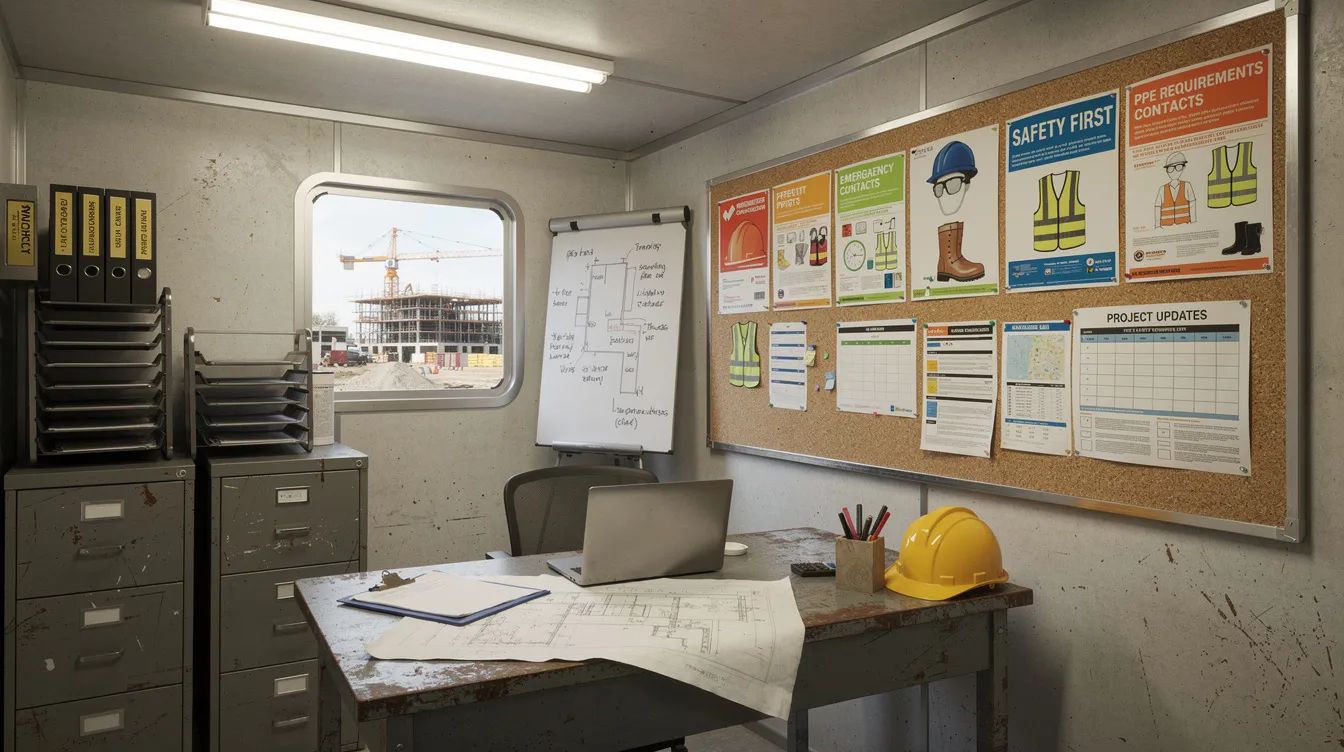
- Visible resources: Post contact information for EAPs, crisis lines, and local treatment resources in jobsite trailers, break areas, and tool cribs. Workers cannot use resources they do not know exist.
- Nonpunitive self-reporting: Define and communicate a clear process for what happens when an employee voluntarily discloses a substance use problem before an incident occurs. Workers need to know that asking for help is a separate path from failing a drug test.
- Safety meeting integration: Add a short mental health or recovery message to weekly safety meetings. Even two minutes of honest conversation normalizes the topic.
- Leader response training: Supervisors and foremen know their responsibility when a worker discloses a problem: listen, protect confidentiality, and connect the person to professional help. They do not diagnose or counsel.
- Assessment tools: Employers can use assessment tools to evaluate and improve wellness practices across projects, measure whether support is reaching the field or staying in the office, and help leaders decide what level of support or training is reasonable rather than assuming current practices are enough.
This approach does not lower safety expectations or relax drug-free standards. Total Worker Health supports overall worker well-being initiatives by connecting clear rules with clear support.
Connecting Recovery-Friendly Practices to Safety Management and STEP
ABC’s STEP Safety Management System is the industry’s benchmark for evaluating safety programs among member contractors. In 2023, Total Human Health was embedded into STEP so that health, wellness, and livelihood are evaluated alongside traditional safety metrics.
Ohio Valley contractors can treat mental health and recovery as part of their overall safety management system and use existing processes to control risk rather than isolating these topics in human resources. Here is how recovery-friendly practices map into existing safety processes:
- Pre-task planning: Add a brief mental readiness check. A worker who is distracted by a family crisis or struggling with cravings is a different risk profile than a rested, focused crew member.
- Incident investigations: When investigating an accident or near miss, consider whether mental health, fatigue, or substance use contributed. This is not about blame; it is about understanding root causes.
- Supervisor training: Every business must appoint a competent person to manage safety. That competent person should also have enough knowledge to recognize signs of distress or other warning signs and connect workers to help.
- Toolbox talks: ABC’s resources include toolbox talks aligned with Total Human Health themes. These fit naturally into existing weekly or daily safety communication.
- Compliance monitoring: Risk assessments are legally required for businesses of any size. Monitoring safety management processes is essential for compliance, and that monitoring should now include whether recovery and mental health support is accessible and functioning, as well as where added training or other interventions are needed. Clear funding and ownership make implementation a more effective investment in performance.
Improving safety practices can enhance employee motivation and productivity. When workers see that leadership takes their whole health seriously, trust on the crew grows.
Leadership Behaviors: What Owners, PMs, and Foremen Need to Do Differently
The biggest shift for Ohio Valley contractors is not paperwork. It is how executives, project managers, and foremen talk about mental health, substance use, and recovery on active projects. Effective communication of policies is essential for workforce engagement. Training programs can increase staff motivation and productivity, but only if leaders stay involved and model the behavior.
Here are specific behaviors leaders should adopt:
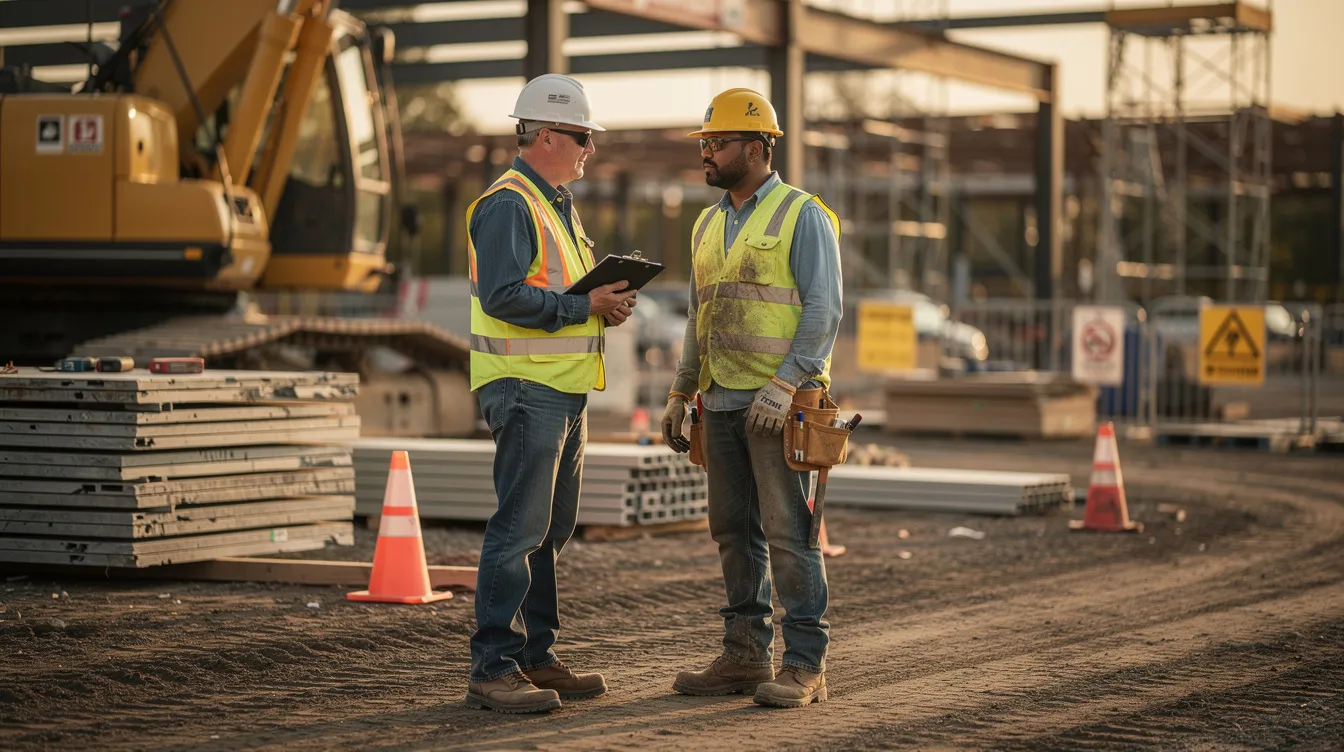
- Listen without judgment. When a worker raises a concern, the first response should be attention, not advice. A superintendent who says “tell me more” instead of “you need to get it together” keeps the door open.
- Use consistent language. Refer to substance use disorder as a health condition, not a character flaw. Avoid slang or labels that reinforce stigma.
- Know the escalation path. Leaders are not expected to diagnose or treat mental health or substance use disorders. Their role is to notice, start a supportive conversation, and connect workers to professional help through HR, an EAP, or a community resource.
- Model vulnerability. Executives and foremen who mention using an EAP or taking a mental health day normalize the behavior for everyone else.
- Hold performance standards. Recovery support and high expectations are not opposites. A recovery-friendly workplace still requires safe, competent work, and leaders are still responsible for maintaining it while supporting recovery. The difference is that the path from struggling to stable is visible and supported.
Building a Recovery-Friendly, Drug-Free Workplace Policy in the Ohio Valley
A traditional drug-free workplace policy focuses on compliance and discipline: test, fail, terminate. A recovery-friendly, drug-free approach keeps the testing and the standards but adds a visible pathway to treatment and return-to-work.
- Contractors in Ohio, Kentucky, and Indiana should verify state-specific requirements for drug-free workplace programs, workers’ compensation incentives, and related regulations. Rules are not identical across the tri-state area, and assuming one state’s framework applies everywhere creates legal and operational risk. The rules involved may differ significantly depending on testing, return-to-work, and workers’ compensation requirements.
- Clear expectations remain the foundation. Every employee should know what substances are prohibited, when testing occurs, and what happens after a positive result.
- Define what happens when an employee self-reports a substance use problem before an incident. Self-reporting should have a defined, confidential process that connects the worker to treatment rather than immediate termination.
- Establish return-to-work criteria, so employees who complete treatment know what is required to return. Some employers may require treatment completion or other certified documentation before return. Ambiguity on this point discourages people from seeking help.
- Training must cover policies, hazards, and safe equipment use, but it should also cover how supervisors handle disclosures, confidentiality requirements, and where to direct workers for professional support, especially when supervisors take on added policy duties and need training that matches that responsibility. A written policy without trained supervisors creates unintended legal and safety problems.
- Smaller contractors can start with simple steps: add a one-page resource sheet to the jobsite trailer, clarify self-reporting options in the employee handbook, and brief foremen on how to respond. Mental health programs can improve employee well-being in construction without requiring a large HR department.
Mental Health, Substance Use, and Recovery: Talking About Tough Topics Safely
Mental health and substance use are sensitive topics. A mishandled conversation can cause harm, even with good intentions. This section is not clinical advice; it is communication guidance for construction leaders.
- Use people-first language. Say “a person in recovery” rather than “an addict.” Say “substance use disorder” rather than “drug problem.” Language shapes how workers perceive whether it is safe to speak up.
- Respect privacy. If a craft professional discloses a problem to a foreman, that information does not belong in the break trailer. Share only with HR or the designated point of contact.
- Know when to stop. A superintendent who notices changes in a crew member’s behavior on a large industrial project should start a private, concerned conversation. If the worker shares something beyond the leader’s ability to address, the next step is to connect them to professional support, not push for more detail.
- Avoid minimizing. Phrases like “just tough it out” or “everyone has a bad day” shut down conversations. Acknowledge the concern and offer a concrete resource.
ABC Ohio Valley supports apprenticeship and pre-apprenticeship pathways. The Ohio Valley Construction Education Foundation provides trades education. Apprenticeship programs help develop skilled trades professionals. Building a workforce that is both technically skilled and supported in their well-being creates a stronger, safer industry.
Getting Started: A Simple Recovery-Friendly Action Plan for Ohio Valley Contractors
Progress matters more than perfection. Here is a practical starting point for companies that want to align with ABC’s recovery-friendly direction:
- Audit current policies. Pull your drug-free workplace policy and employee handbook. Does the language include any mention of recovery support, self-reporting options, or return-to-work criteria?
- Identify existing resources. Check whether your health insurance covers substance use treatment. Determine if your company has an EAP and whether workers know how to access it.
- Brief your leaders. Hold a 30-minute conversation with project managers and foremen about what a recovery-friendly approach means and does not mean. Use ABC’s Total Human Health Toolkit as a starting point.
- Add one Total Human Health segment to monthly safety meetings. A two-minute discussion on mental health, recovery resources, or stress management normalizes the topic over time.
- Post resources visibly. Put crisis line numbers, EAP contact information, and recovery resource sheets in every jobsite trailer and break area.
- Train one pilot crew. Start with one project in Cincinnati or Dayton. Measure how conversations change, whether workers ask questions, and what supervisors learn.
- Connect to chapter resources. ABC Ohio Valley’s safety programs, STEP participation, and peer groups offer structured ways to keep building.
Fair competition is essential for contractor success and project outcomes. Companies that invest in their people’s whole health compete more effectively for skilled talent and project awards.
How ABC Ohio Valley Can Help Your Company Move Forward
ABC’s recovery-friendly workplace certification and the ABC Total Human Health Initiative set a direction for the construction industry. ABC Ohio Valley helps local contractors put that direction into practice across Southwest and West Central Ohio, Northern Kentucky, and Southeastern Indiana.
The chapter connects members to:
- Safety training, STEP participation, and drug-free workplace resources
- Peer groups where contractors share what works on their jobsites
- Curated mental health and recovery resources designed for construction culture
- Workforce development, apprenticeship pathways, and education through the Ohio Valley Construction Education Foundation
Contact ABC Ohio Valley’s safety or education team to start the conversation. Whether you are reviewing your policies for the first time or building on an existing program, the chapter’s role is to serve as a partner in building safer, recovery-aware, and performance-driven job jobsites throughout the Ohio Valley.